In brief
Effective January 1, 2025, Romania and Bulgaria will be part of the EU’s Schengen travel zone, allowing free movement without passports. However, truckers still face delays due to ongoing border checks, prompting mixed feelings among citizens and businesses alike.
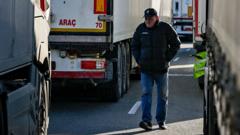
Romania and Bulgaria are finally joining the EU's Schengen travel zone on January 1, 2025, allowing citizens to travel without border checks across many EU countries. This exciting announcement brings relief to 25 million residents who have waited for this moment since joining the EU 17 years ago. European Commission President Ursula von der Leyen called it a "day of joy", though not everyone is rejoicing just yet. For truck drivers, the bureaucratic hurdles aren't entirely over. While air and sea travel checks were lifted last March, land borders still face inspection issues. For example, Hungary plans to maintain stringent checks at the Romania-Hungary border for at least six months. This means long waits at border crossings continue for truck drivers—some have reported delays of over 12 hours. Romanian Road-Haulers' Association head Radu Dinescu highlights that the trucking industry has suffered significant losses, approximately €19 billion between 2012 and 2023, due to these delays. While the end of border controls will benefit personal travel, truck inspections remain at the borders, stunted by inefficient processes. Dinescu also notes that negotiations with neighboring countries about streamlining inspections have stalled, leading to longer waits at borders, which could impact investment decisions, like when BMW opted for Hungary over Romania for a new factory due to border delays. Still, some are hopeful for improvements. Business leaders believe that while border controls might take time to fully diminish, the move towards Schengen offers a brighter future for trade and competitiveness in the EU marketplace, particularly for sectors like Romania’s thriving wine industry.