In brief
Experts warn that the temporary waiver of the ban on H.I.V. medication distribution is vital, with over 20 million people at risk if access is not restored permanently.
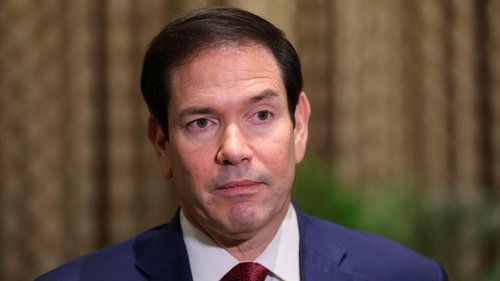
In response to urgent concerns about a potential surge in H.I.V. infections, the State Department has issued a temporary waiver allowing the resumption of lifesaving H.I.V. medications. Announced by Secretary of State Marco Rubio, the waiver addresses a recent halt in the President’s Emergency Plan for AIDS Relief (PEPFAR), a program that has been crucial for providing treatment since its inception in 2003. The prohibition, ordered by the Trump administration, disrupted access for health organizations worldwide that rely on U.S. aid. Experts warn that if this ban were to last, more than 20 million individuals—including 500,000 children—could face dire consequences without their necessary medications. “We’re on the brink of a disaster akin to the 1980s,” cautioned Dr. Steve Deeks from UCSF, emphasizing the urgent need for ongoing H.I.V. treatment.PEPFAR, which has contributed to an estimated 25 million saved lives, is now under scrutiny as health officials reassess its future and its ability to provide ongoing support in the fight against the H.I.V. epidemic. The waiver may offer temporary relief, but uncertainty looms over whether it will extend to preventive services, highlighting the critical need for solid and sustained international health programs.