In brief
Although the announcement is a major breakthrough for the two nations, challenges remain for truck drivers facing continued inspections at borders.
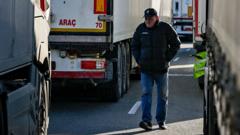
The long-awaited moment has arrived for Romania and Bulgaria as they celebrate joining the European Union's Schengen border-free zone, effective January 1, 2025. After 17 years of EU membership, citizens will be able to travel freely to popular destinations like France or Spain without showing a passport, a significant milestone for the 25 million people living in these countries.European Commission President Ursula von der Leyen hailed the announcement as a "day of joy." However, while border checks for air and sea travel were lifted last March, challenges for truck drivers remain. Hungary plans to maintain thorough inspections at its border with Romania for at least six months, while Bulgaria has implemented new fees for trucks crossing into their territory.The Schengen agreement, established in 1985, includes most EU countries, promoting easier travel and trade. Despite these advancements, many truck drivers experience long waits at borders, often losing hours, or even days, during inspections that could otherwise be streamlined. Radu Dinescu, head of the Romanian Road-Haulers' Association, states that recent border conditions have cost the Romanian transport industry around €19 billion since 2012, a burden ultimately passed on to consumers.Nevertheless, there is hope for the future. As expectations rise for the efficiency of border controls to improve, businesses like Romania's largest wine exporter are optimistic about the benefits of the Schengen agreement. Ultimately, while the Schengen debut represents a monumental step forward for Romania and Bulgaria, ongoing negotiations will be crucial in surmounting the remaining bureaucratic hurdles.