
In brief
President Karol Nawrocki met nationalist and far‑right leaders on the palace lawn on Saturday, sparking a stand‑off over the country’s top court. The sudden suspension of the tribunal’s chief judge, Bogdan Święczkowski, has fired up protests outside the court and a physical confrontation with judges that the president herself engaged in. Prime Minister Donald Tusk criticised the opposition as “destroyers” of democracy and urged a new judge nomination, but no breakthrough has yet emerged.
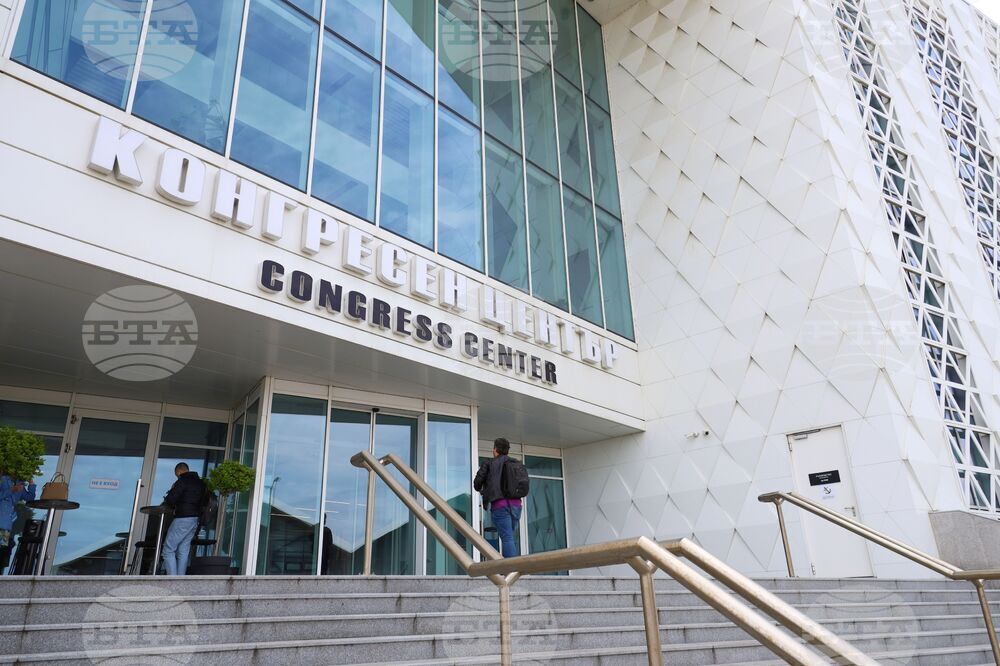
On Saturday, Polish President Karol Nawrocki held an urgent crisis meeting at the presidential palace with nationalist and far‑right leaders after the Constitutional Tribunal’s chief judge, Bogdan Święczkowski, was suddenly suspended on Friday. Nawrocki said the talks were called because the move threatened Poland’s internal security, but the conference ended without a resolution.
During the same weekend, large protests continued outside the tribunal, with supporters of the ruling Law and Justice (PiS) party demonstrating against what they see as a “coup d’etat” imposed by the government. On Saturday evening, Prime Minister Donald Tusk spoke to the nation, accusing the opposition leaders of wanting to “destroy democracy and rule of law” and calling for a re‑balance of power.
According to a note from Poland, the president physically and verbally clashed with judges who are fighting to control the Constitutional Tribunal. The confrontation reportedly took place in the court’s premises as the president attempted to re‑establish authority over the judiciary.
The European Commission urged Nawrocki to accept the nomination of a new judge for the tribunal, signalling that the crisis has drawn international attention. Meanwhile, Warsaw’s government and opposition have remained at an impasse, with no breakthrough in talks reported by afternoon on Saturday.
As the standoff back‑fires on the ruling party’s parliamentary majority, both sides warn that the fight over the tribunal’s independence could shape Poland’s future relationship with the European Union and alter the balance of power in the city.