In brief
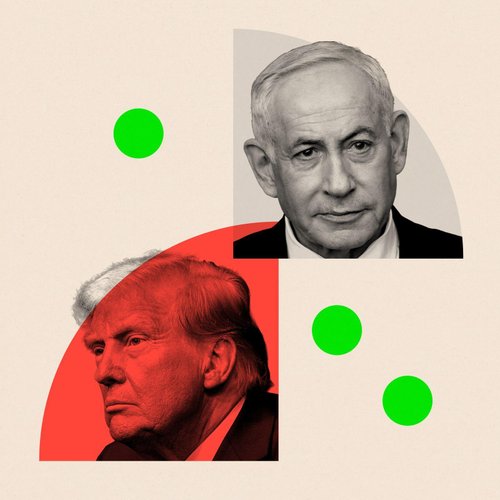
As Lebanon celebrates a ceasefire amid devastating Israeli strikes that killed over 3,500 citizens, the situation remains delicate. Israeli Prime Minister Netanyahu faces pressure from local leaders dissatisfied with the pause, fearing it will enable Hezbollah to regroup. The ceasefire, aimed at stopping violence, is seen as a temporary respite rather than a long-term solution. While Hezbollah and Iran both seek to recuperate, the underlying tensions continue unabated, leaving questions about future stability in the region.
---The recent ceasefire in Lebanon has brought a sigh of relief to many, with over one million displaced citizens beginning to return home after horrific Israeli bombardments took thousands of lives and destroyed countless homes. A Lebanese analyst likened the moment of ceasefire to “the night before Christmas,” illustrating the hope that accompanies such agreements.In contrast, within Israel, opinions about the ceasefire vary. Local officials express frustration over the perceived lack of a follow-up plan, fearing Hezbollah will now have time to recover. Amid growing dissent, Netanyahu recently met with municipalities affected by the conflict, where tensions flared as some officials argued for stronger military actions against Hezbollah.Back in September, just as a ceasefire seemed likely during a UN General Assembly meeting, Netanyahu instead vowed to strengthen military efforts, even suggesting direct actions against Hezbollah’s leadership. His military campaign has since inflicted substantial damage, but doubts linger on whether this pause will lead to effective peace or merely allow Hezbollah time to regroup.Moreover, both the ceasefire and the fear of escalation in Gaza linger in the background as Iran and Hezbollah seek to maintain their strategic foothold. Observers note that the fragile nature of this ceasefire does not guarantee respite in the broader regional conflict, particularly as political pressures mount in the US and Israel alike.As at the heart of these tensions remains the unmet aspirations of Palestinians for self-determination, many worry that any temporary relief will not bridge the deep divisions and grievances persisting in a conflict that has spanned generations. The situation in Lebanon could only serve as a pause in an ongoing struggle fraught with uncertainties about the future.