In brief
As companies like BYD expand their reach, experts question the implications for global markets and security.
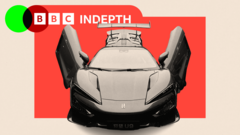
China's electric vehicle (EV) market is buzzing with excitement, driven by models like the stylish Seagull, now pushed into Europe as the Dolphin Surf, priced at an attractive £18,000. With this price tag, it competes fiercely against established brands. BYD has emerged as a significant player in China, dethroning Tesla as the leading manufacturer of EVs in 2024, and aims for dominance in the UK within ten years. Chinese companies are even challenging iconic Ford and Volkswagen brands, propelling a major shift in the global automotive landscape.As the competition heats up, distrust emerges around security issues related to Chinese technology. Some fear that internet-enabled vehicles could be hacked or used for espionage, prompting actions like import tariff hikes in the US and EU. Nonetheless, industry experts believe the benefits of affordable and innovative EVs from Chinese manufacturers can transform transportation, yet caution continues amidst geopolitical tensions.Despite the rising shadows of concern, Chinese EV brands like Nio and Xpeng symbolize a fast-evolving motor industry. The race is on, but will it benefit consumers, or are there risks that can't be overlooked? Only time will tell as these developments unfold, with both opportunities and challenges ahead for consumers and established industries alike.