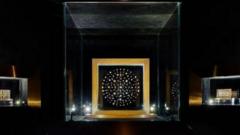
Amid a looming auction by Sotheby's in Hong Kong, the Indian government is pushing back against the sale of precious gemstones connected to the remains of Buddha. The auction, set for Wednesday, features jewels believed to have been buried alongside Buddha’s bone fragments over a century ago. India's culture ministry claims that selling these jewels violates both national and international laws and UN conventions, insisting they view the relics as sacred.
The gems, primarily unearthed by Englishman William Claxton Peppé during excavations in 1898, have sparked outrage among Buddhists and art scholars alike. India’s ministry publicly voiced their stance on social media, stating that Sotheby’s has acknowledged their legal notice and is reviewing the matter.
Historically, Peppé received permission to keep a portion of the findings, which included about 1,800 gems and relics. The Indian officials, however, maintain that calling any of these items "duplicates" is deceptive and undersells their significance as cultural heritage.
The ministry challenges the current custodianship, claiming the jewels should not be alienated from their cultural context. They've demanded a public apology from Sotheby's and a complete overview of the jewels’ ownership history, threatening legal action if their conditions aren’t met.
Meanwhile, Chris Peppé, a descendant of the excavator, has expressed the family’s intent to auction the jewels as the most transparent option for transferring them to the Buddhist community. His family has showcased these relics at significant exhibitions, including one at The Met, but India's ministry argues that these historical treasures are being monetized rather than respected as sacred heritage.