In brief
President Trump has signed an executive order that lowers tariffs on UK cars entering the U.S., implementing parts of a recently agreed tariff deal. Prime Minister Sir Keir Starmer celebrates the move while concerns about steel tariffs remain unaddressed.
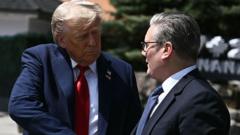
In a significant move for trade relations, President Donald Trump has signed an executive order to reduce tariffs on UK cars exported to the United States, activating parts of a tariff deal made last month. At the G7 summit in Canada, UK Prime Minister Sir Keir Starmer celebrated the development as a "very important day" for both nations after a series of negotiations aimed at protecting British businesses from potential U.S. tariffs. However, the updated agreement still includes a 10% tariff on various UK goods, including cars, while it notably does not address the expected removal of tariffs on steel imports. This deal marks the first tariff announcement by the White House following a series of extensive tariffs imposed earlier this year. Just before signing the order, Trump announced that he would leave the summit early due to escalating tensions in the Middle East.Under the new order, up to 100,000 cars from the UK will now enter the U.S. at a lower 10% tariff, a reduction from the steep 25% imposed on car imports previously. The deal also proposes a similar tariff adjustment for steel and aluminum, but without specific details for the expected cuts. Trump's response to questions surrounding steel tariffs was vague, stating, "We're gonna let you have that information in a little while." Meanwhile, Sir Keir expressed hope for a future with 0% tariffs on crucial steel products.The agreement also includes the removal of tariffs on specific aerospace products, with many in the UK automotive sector expressing relief and optimism, as discussions have lasted for months. Mike Hawes, chief executive of the Society of Motor Manufacturers and Traders, noted the importance of the deal for manufacturers aiming to resume deliveries soon.Despite the breakthroughs, the agreement is not a comprehensive free-trade deal and remains limited compared to previous discussions. Trump has claimed it is a "major trade deal," but critics like Conservative party leader Kemi Badenoch characterize it as minimal. However, he praised Starmer for achieving what had previously been deemed impossible by other leaders, acknowledging the challenges in securing this agreement over the past years. The deal is set to take effect seven days post-publication, supporting the ongoing economic bonds between the UK and the U.S.