In brief
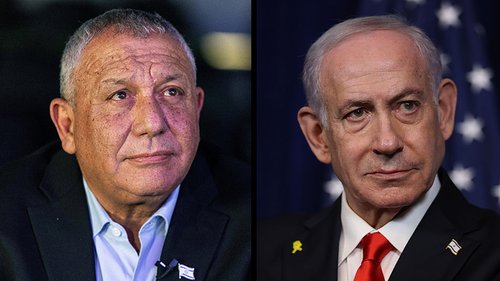
Israel’s April 2026 elections left Prime Minister Benjamin Netanyahu’s Likud party short of a Knesset majority, prompting a scramble to forge a governing coalition. Analysts see four main routes: a hard‑right Likud‑dominated bloc, a centrist partnership with the Zionist Union, an inclusion of Arab parties, or a new government led by former PM Naftali Bennett. Each option carries different policy and political stakes that will shape Israel’s direction for the coming year.
In the April 2026 Israeli elections, Prime Minister Benjamin Netanyahu saw his Likud party capture 30 seats out of 120 in the Knesset, falling eight seats short of the 38 needed for a simple majority with his usual right‑wing allies. That shortfall pushed Israel into tense coalition talks as the country moved toward deciding who will lead next.
Four broad scenarios are being watched by analysts. The first is a right‑wing consolidation in which Likud pulls together the National Unity Party, Hatnuah, Jewish Home‑aligned groups, and far‑right parties such as Otzma Yehudit and Kach to reach the 61‑seat threshold required to form a stable government.
The second possibility is a centrist‑moderate alliance that pairs Likud with the Zionist Union, led by former Labor chair Yair Lapid and the centrist Yesh Atid. This mix could broaden the governing majority but would demand concessions on core Likud priorities such as settlements and security policy.
A third route is the Arab‑nationalist partnership, where Netanyahu might bring the Arab party Ra’am and National Unity to the table. That coalition could widen civic representation while still keeping a conservative core.
Finally, a 'Bennett‑led anti‑Netanyahu coalition' remains an option. Former prime minister Naftali Bennett, heading New Hope, could build a new government with support from the Zionist Union and centre‑left parties, marking a major shift after Netanyahu’s longest tenure.
Each scenario carries significant political costs and benefits. A hard‑right bloc risks alienating moderate voters but could push a hard‑line agenda. A centrist blend might please a wider electorate yet require major policy compromises. An Arab‑aligned group could increase civic engagement but face strong opposition inside the Likud ranks. A Bennett‑led government would signal a realignment that must prove its stability in a split Knesset. The coalition chosen will set Israel’s policy direction for at least the next year and will also influence its relationships abroad.