In brief
A high‑speed train collision in Toledo province on Wednesday has left 46 people dead in local media reports, though Xinhua stated 39 deaths. The crash involved a Renfe AVE train colliding with an Iryo train, derailing two carriages and causing numerous injuries. Spanish Prime Minister Pedro Sanchez responded with shock and emergency services are actively rescuing survivors.
A high‑speed train collision in Toledo province, Spain, happened on Wednesday and has cost at least 46 lives, local media reported, while an earlier Xinhua flash report listed the death toll at 39.
The accident involved a Renfe AVE train colliding with an Iryo high‑speed service, conditions that led to two Iryo carriages derailing, Spanish newspaper ABC detailed.
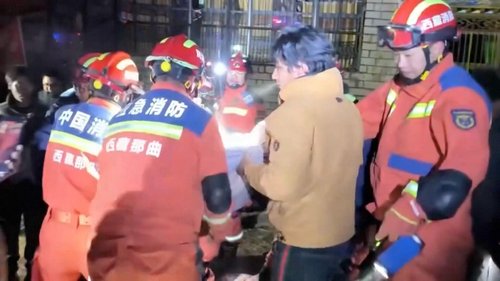
Witnesses at the scene reported numerous injuries, and emergency responders have set up temporary medical stations to treat those affected.
Spanish Prime Minister Pedro Sanchez said he was shocked by the serious collision as he announced an investigation and the deployment of emergency services.
Pedro Sanchez said he was shocked by the serious collision.
shocked
Civil protection officials, whose updates are routinely cited by Xinhua, confirmed that the crash involved high‑speed equipment and called for an immediate investigation into the cause.
The differences in the reported death toll—46 from local outlets versus 39 in Xinhua's flash report—highlight the evolving nature of information as authorities gather more accurate data.
Authorities remain on scene in Toledo, working to assess the damage, secure the tracks, and provide support to survivors and families, while investigators analyse the forces that led to the collision.
As investigators work through data from the crash scene, the national rail service has pledged to review safety protocols and provide updates as more information becomes available. Passengers were taken to nearby hospitals, and the large‑scale emergency response included air‑borne medical units to assist the injured.
The tragedy underscores the importance of rigorous safety checks in the operation of high‑speed rail services, prompting calls for enhanced oversight.