In brief
With a thriving population and rising encounters, experts and rangers grapple with management strategies to ensure safe coexistence.
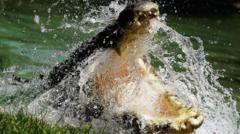
As the sun rises over Darwin Harbour, wildlife ranger Kelly Ewin carefully tends to a project that balances human safety with the thriving population of saltwater crocodiles—the largest living reptiles on Earth. The estimated 100,000 crocs in this area stem from a remarkable recovery after nearly facing extinction. A hunting ban in the 1970s allowed their numbers to bounce back dramatically, creating a new dilemma: ensuring public safety without undermining conservation efforts.The Northern Territory is a croc hotspot, welcoming tourists keen to see these ferocious reptiles up close. However, with breeding season in full swing, rangers like Ewin find themselves on alert, checking traps several times a week. "We can't capture every crocodile, but our efforts reduce the risk of encounters," he explains, as his team often has to euthanize those that pose a threat to humans, rather than relocating them.Education plays a crucial role in mitigating risks. The government's "Be Crocwise" program teaches locals and tourists how to stay safe around croc habitats. This initiative has garnered international interest, showcasing how to live alongside these predators responsibly. Amidst the tension, legislation remains firm: mass culling is not an option due to the saltwater crocodile's protected status, although a recent management plan has increased kill quotas from 300 to 1,200 annually. The conversation often ignites after incidents, such as last year’s tragic crocodile attack on a young girl, underscoring the thin line between conservation and safety.The crocodile farming industry flourishes as well, with major fashion brands investing in croc leather. Many view farming as a way to protect crocs in the wild; however, animal rights groups argue it undermines animal welfare. While some Indigenous communities collaborate in sustainable practices, concerns persist about the method of croc captivity.As Northern Territory learns to navigate its relationship with these apex predators, it’s clear the conversation is complex. “It’s about striking the right balance," concludes Ewin, acknowledging both the excitement and risks that come with living in true crocodile country.