In brief
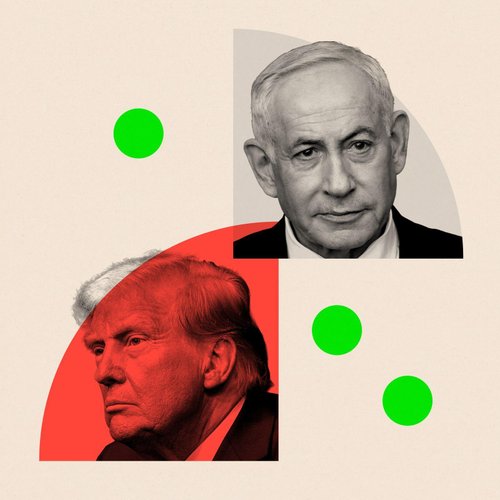
President Biden's push for peace in the Middle East faces significant hurdles following a ceasefire between Israel and Hezbollah. With escalating tensions in Gaza and Iran's nuclear activities, the path to a broader resolution remains fraught with challenges, particularly for Donald Trump as he steps into this tense landscape.
The ceasefire recently established in Lebanon may mark a moment of hope, but the journey toward peace in the Middle East is anything but simple. President Biden, who played a crucial role in brokering the deal, expressed his belief that “peace is possible,” but the region's issues extend far beyond Lebanon. Both Hezbollah and Israel had their reasons for wanting to end hostilities; however, the situation in Gaza remains dire as Israel and Hamas are still at an impasse regarding a potential ceasefire. Additionally, major players like Saudi Arabia continue to advocate for a Palestinian state, a wish that seems increasingly out of reach.Furthermore, looming above these tangled diplomatic negotiations is the pressing threat posed by Iran. With its nuclear ambitions growing, Iran plays a pivotal role in the regional tensions, especially in relation to Israel. Prime Minister Benjamin Netanyahu emphasized the need to concentrate on "the Iranian threat" when addressing the ceasefire agreement.As the political stage shifts towards Donald Trump, addressing Iran's nuclear activities will likely take top priority. Time is of the essence for Trump, who will need to navigate this complex landscape to secure peace and stability in the Middle East.