In brief
Despite a botched warship launch, Kim Jong Un's swift response turned embarrassment into a narrative of resilience. Experts suggest this incident illustrates the regime's strategy to enhance loyalty and project strength amidst challenges.
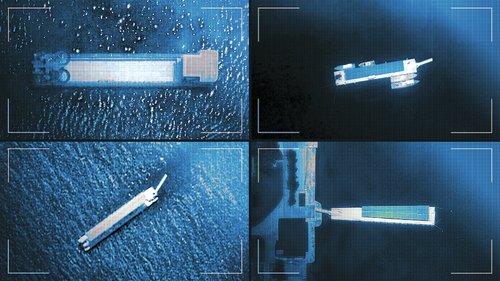
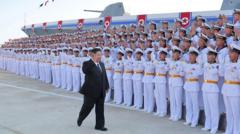
North Korea's latest warship incident has turned heads and sparked discussions about Kim Jong Un’s leadership tactics. Last month, the country faced embarrassment when a new warship capsized during its launch, making global headlines. Despite no casualties and minor damage, the aftermath provided insights into North Korea's internal dynamics.In a show of authority, Kim condemned the mishap as a "criminal act" threatening the nation’s dignity and vowed swift restoration while arresting those deemed responsible. This incident hints at the regime's push towards building a nuclear-capable navy, an ambition that has grown under Kim’s rule.While North Korea maintains a robust nuclear arsenal, its naval capabilities lag behind those of its adversaries. This newly designed destroyer, crucial for Kim's naval ambitions, stands tallest among its fleet at 5,000 tonnes. Its failure drew sharp criticism, unveiling potential weaknesses in North Korean shipbuilding.However, experts argue Kim’s reaction was strategically orchestrated, marking a departure from the regime’s tradition of silence regarding shortcomings. By openly addressing the issue, Kim demonstrated effective problem management and accountability, showing unity to the people.Rapid repairs, completed in just over three weeks, showcased the regime’s resilience, turning failure into success. Interestingly, Kim mourned the loss of a construction worker and lauded his dedication, redirecting focus to his government’s commitment to its people.This shift in narrative from a solitary leader to celebrating collective devotion signifies a strategic adjustment by Kim. Analysts underscore that despite global skepticism, North Korea is advancing towards its nuclear naval goals, compelling neighboring nations to stay alert.Ultimately, this incident illustrates a crucial pivot in North Korea's propaganda strategy, emphasizing resilience in the face of obstacles while reinforcing the regime's grip on its population.