In brief
Donald Trump's new plan to supply weapons to Ukraine through NATO has led to backlash from key figures in his MAGA movement, who feel it's a betrayal of his promise to reduce U.S. involvement in foreign wars. Critics like Marjorie Taylor Greene argue that the plan contradicts his campaign commitments and could still burden U.S. taxpayers.
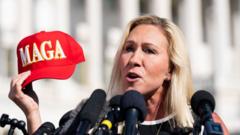
Donald Trump's recent announcement to supply weapons to Ukraine via NATO has sparked significant anger among some factions of his "Make America Great Again" supporters. Critics argue that this decision betrays Trump's promise to reduce U.S. involvement in foreign conflicts. Prominent voices like Congresswoman Marjorie Taylor Greene and former Trump advisor Steve Bannon have voiced their opposition, citing a belief that this involvement is unnecessary and primarily a European responsibility.Trump's administration insists that Europe will finance the weapons, asserting, "We're not buying it, but we will manufacture it." However, Greene remains skeptical about potential hidden costs to U.S. taxpayers and criticized what she describes as "backdoor deals through NATO." She contends that continuing financial support for Ukraine runs contrary to the promises made to voters demanding a more isolationist approach.Former Trump campaign officials mention that although European funding may soothe some concerns, opposition remains strong within the MAGA ranks, who view this as a potential escalation of conflict. They fear that the U.S. would become further entangled in a war they deem not America's to fight.In defense of the plan, White House officials argue that many Trump voters support continued military aid. Polls show nearly two-thirds backing arms shipments, a sentiment echoed by Under Secretary of Defense Elbridge Colby. Trump remains committed to NATO's collective defense and voiced disappointment toward Russia's Putin, maintaining that negotiations for peace have yet to yield results.The divide within Trump's base highlights the ongoing struggle between nationalist priorities and international alliances, raising questions about the future of U.S. foreign policy under his leadership.