In brief
Support for Israel among Americans is declining, especially among Democrats and younger voters, as political dynamics shift and protests grow louder following the Israel-Palestine conflict.
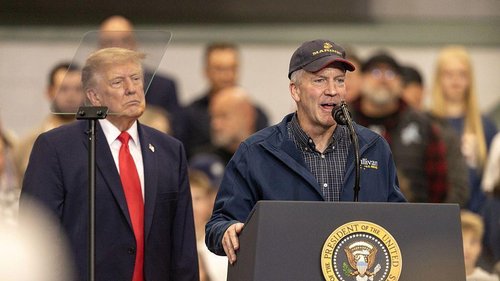
Article text: Once upon a time, Americans were unwavering in their support for Israel, but that sentiment is transforming. A significant turning point occurred when President Donald Trump held his first foreign leader meeting with Israel’s Prime Minister Benjamin Netanyahu in early 2023, marking a tough stance on the Israeli-Palestinian conflict. Trump's controversial remarks about Gaza stirred global attention and signified a strengthened, albeit contentious, Republican alliance with Israel.Fast forward to October 7, 2023; following the Hamas attacks, U.S. support for Israel surged, with President Biden’s administration sending $18 billion in military aid. However, this came at a price, reopening debates over the U.S.-Israel relationship and igniting protests from traditionally Democrat-leaning constituents dissatisfied with Biden's stance.Polls reveal a dip in American support for Israel, particularly among Democrats and younger voters. A recent Gallup survey indicates only 46% of Americans back Israel, while sympathetic views towards Palestinians have reached record highs. The Pew Research Center points out rising negative opinions about Israel, especially among younger Republicans, showing a shift in political dynamics.The long-standing alliance between the U.S. and Israel, which dates back to 1948, is now confronted with rising dissent within the American public. Past U.S. administrations have enjoyed bipartisan backing; however, recent protests and shifts in public opinion signify a brewing culture war that officials acknowledge but struggle to address effectively. Moreover, an emerging demographic divide indicates younger Americans consume news from social media, where narratives often highlight the humanitarian crisis in Gaza. This contrasts sharply with older generations, who still exhibit strong support for Israel. While there may not be immediate changes in U.S. foreign policy, experts suggest that a long-term shift in public opinion could eventually impact military aid and diplomatic relations.Political leaders in the U.S. still largely echo traditional support for Israel, but younger lawmakers appear more receptive to diverse perspectives. As attitudes continue to evolve, real questions about the future of the U.S.-Israel relationship linger, underscoring the connection between internal issues within both nations. The fate of this alliance ultimately hinges on how America and Israel address their domestic challenges and engage with changing public sentiments moving forward.