In brief
As the United States approaches its 250th anniversary, discussions around what it means to be 'united' take center stage. From the declaration of independence to modern-day debates, scholars examine how unity has changed shape, encompassing diversity while grappling with persistent divisions. This analysis reveals the complexities of inclusion and exclusion in a historically diverse nation, encouraging a reflection on ambitions versus realities.
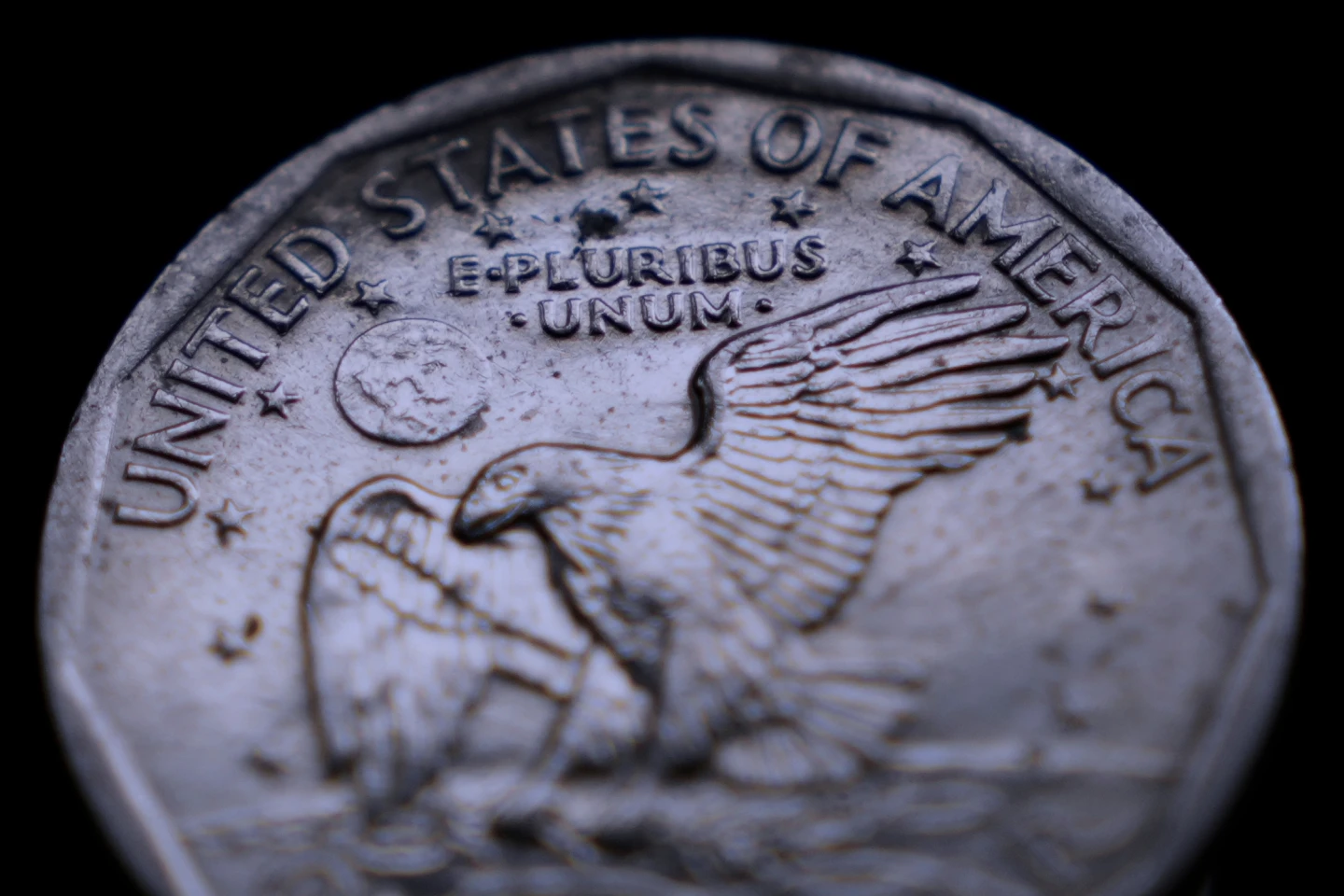
NEW YORK (AP) — The aspirations cut a wide swath through American history since 1776 — from the “All men are created equal” of the Declaration of Independence to the “We the people” of the Constitution. They emphasize that unity is vital for the nation structured on the consent of the governed.
Understanding unity's evolution over 250 years raises questions about who belongs, who does not, and how cultural, economic, and social factors interact. The founders spoke of ideals that often excluded many, revealing that reality has always been more complex than the hopeful statements made.
Today, conversations about unity reveal that multiple perspectives coexist, suggesting that true unity might involve acknowledging differences rather than insisting on sameness. As discussions around inclusion and democracy evolve, so too does the meaning of being part of one America.
“It’s a question that every society has to answer,” notes a scholar, calling for ongoing reflection on unity's meaning.