In brief
Sea ice disappearance is unlocking East Greenland for the world’s biggest whales. Decadal surveys show a rise from zero sightings to 150 in 2024, a sign of a major ecological regime shift. Researchers estimate these whales will devour 800,000 tonnes of fish and krill in one summer, while species like narwhals face habitat loss.
Sea ice that once locked huge whales out of East Greenland’s icy waters is vanishing, opening a new playground for the giants that once shunned the area.
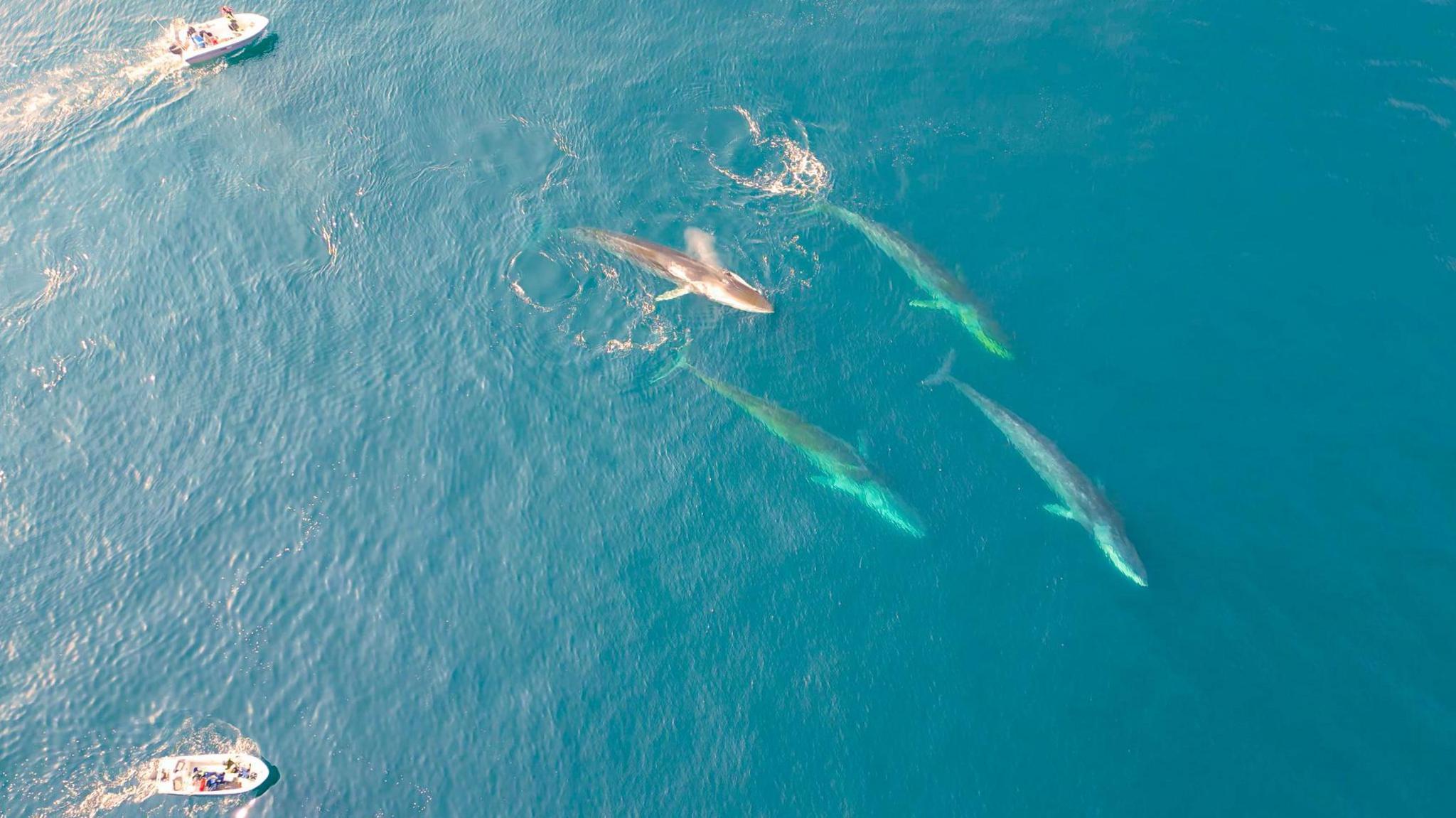
A decade‑long survey on the coast shows a steady rise in sightings of humpback, fin and minke whales – now roving and feeding in what used to be a frozen frontier.
After zero humpback whales were logged until 2006, seven appeared in 2007 and by 2024 the quiet coast has been hosting around 150 ship‑based sightings each summer.
Researchers combined aerial surveys, satellite tags and Inuit hunters’ accounts to paint a picture of a “major ecological regime shift” that is changing who beats the rhythm of the Arctic seas.
The three buoyant species are expected to eat at least 800,000 tonnes of fish and krill over a single summer, a huge feast that signals a new feeding frenzy.
Not all species thrive. Narwhals, belugas and other Arctic marine life are packing into the same waters, a squeeze that could drive future species into trouble.
The research appears in Frontiers in Marine Science, presenting a window into the dramatic changes shaping the Arctic and the ripples they will leave in marine ecosystems.