In brief
This transition marks a key moment in strengthening European security and reducing reliance on Russian energy sources, especially in the wake of recent geopolitical tensions.
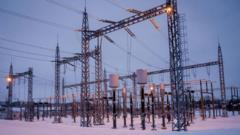
The Baltic states, now NATO members, have embarked on a historic journey to energy security, cutting ties with the Brell power grid, controlled by Moscow. The region's leaders celebrated the moment in Lithuania, where all three countries transitioned to the EU's energy network after years of planning. “Today, history is made,” proclaimed the EU chief, Ursula von der Leyen, emphasizing this step as crucial for freedom from Russian threats. The transition unfolded over two days, following significant EU investment of around 1.6 billion euros. Despite the jubilation, leaders remain cautious, noting recent incidents of sabotage linked to Russian activities in the Baltic Sea, prompting NATO to enhance its patrols in the area. Lithuanian President Gitanas Nauseda called for sanctions against the suspected damage-causing vessels. While celebrated as a major step towards independence, the situation underscores the ongoing tensions in the region. NATO and Baltic leaders are now working together to ensure further security and stability in the wake of this significant energy shift.