In brief
The US government just handed out almost $3 m in compensation to U.S. embassy staff who suffered from Havana Syndrome, a mysterious neurological illness first reported by diplomats in 2016. The payments are the first for agency employees and mark the start of official support under the 2021 Havana Act. While details remain disputed – with theories ranging from microwaves to foreign sonic weapons – the move underscores how the U.S. treats affected personnel. The illness caused symptoms like low hums, dizziness, and intense skull pressure and has affected staff worldwide, from Washington to China. Although most intelligence officials find a foreign weapon unlikely, a few still keep the mystery alive.
$3 m in Cash for Havana Syndrome Victims
The President’s administration has just let the U.S. Treasury hand out close to $3 million (£2.2 million) to employees of U.S. agencies who suffered from the mysterious “Havana Syndrome.”
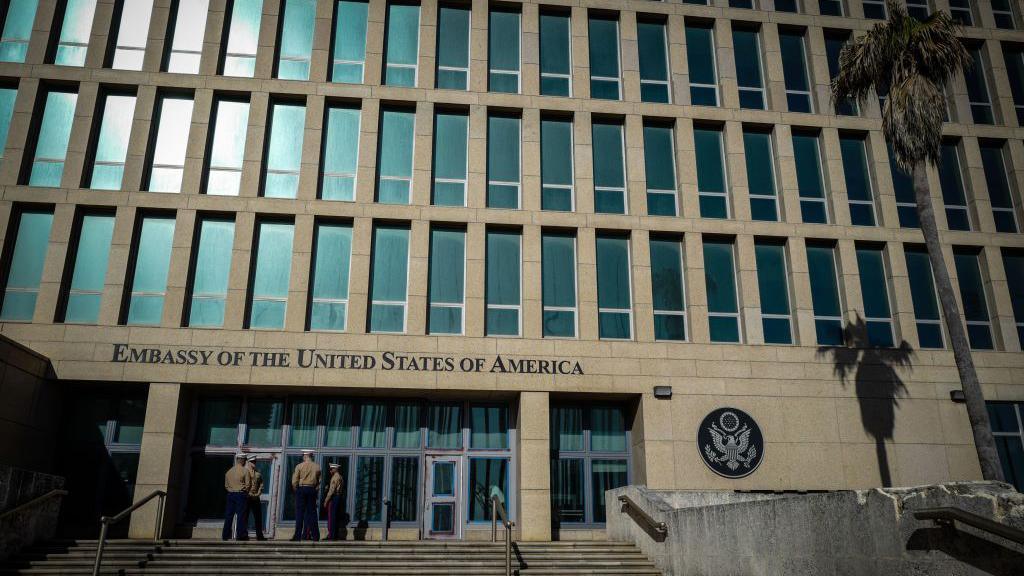
Those are the first payouts for any U.S. agency staff under the Havana Act, signed into law in 2021, which acknowledges an unexplained neurological illness that first broke out at the U.S. Embassy in Havana in 2016.
What’s Happening? Where Did the Symptoms Start?
Diplomats and CIA officers in Cuba reported headaches, dizziness and unusual sounds—low hums, clicks and “grinding metal” noises—that made them feel like they were under a sonic attack. These reports quickly spread worldwide, with U.S. and Canadian staff in places like Washington, China and even Canada’s Cuba embassy finding similar symptoms.
The big theories? Microwaves fired from an unknown source? A foreign sonic weapon? The U.S. intelligence community says most experts found it “very unlikely” that a foreign actor used a prototype device, but a handful still keep the question open.
Why the Money?
The Debt‑to‑health approach: the Treasury, together with the Department of Defense, is prioritizing care for affected personnel. The payouts are not just cash; they are a formal acknowledgment that these workers faced real, sometimes painful health challenges on the job.
“We deserve to be taken care of,” former CIA analyst Erika Stith told CBS News in 2022, echoing the sentiment of many who’ve felt the strain of sudden medical symptoms abroad.
What’s Next?
The U.S. keeps looking into the phenomenon while ensuring workers are supported. As a global trend, the case keeps fueling conspiracies, social‑tech chats and the latest spy‑culture stories. Whether it’s a real weapon or a medical mystery, the headlines will stay hot.