In brief
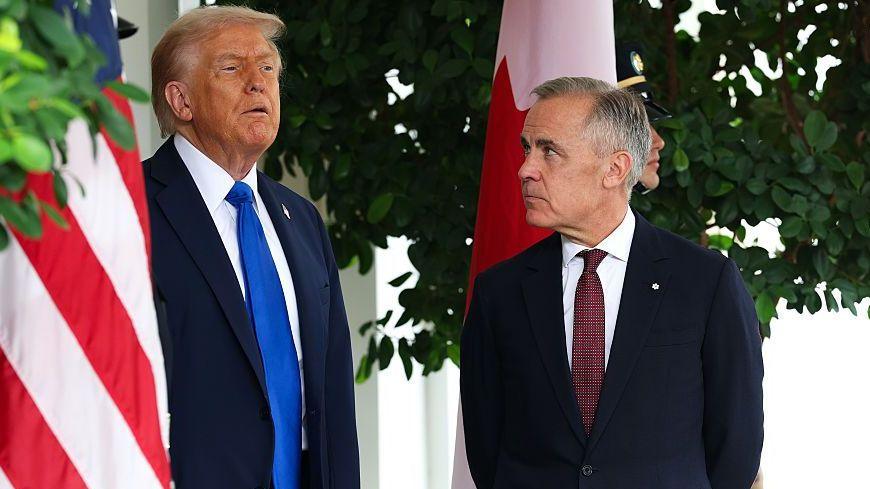
On Tuesday, President Donald Trump announced an import ban that targets Canadian goods such as alcohol, dairy and motor vehicles, set to take effect on 29 September. The move follows Canada’s retaliatory tariffs, which hit U.S. staples like steel, clothing and furniture. Both sides claim a deal is possible, but talks stalled at the end of August. The fight has spilled over into cultural spat, with Trump’s renaming of Lake Ontario causing Canadian outrage. The story is developing, so check in for updates.
The US has imposed an import ban on Canadian goods, including alcohol, dairy and motor vehicles, in retaliation for Canada’s tariffs on American products.
Trump’s executive order – issued Tuesday – accuses Canada of shying away from U.S. commerce and sets the ban to begin 29 September.
Canadian Prime Minister Mark Carney warned in a video address that Canada’s pivot away from the US will "come at a cost," and Canada has already imposed dollar‑for‑dollar duties on U.S. goods such as steel, clothing and furniture.
The dispute began after the White House slapped 50% tariffs on about $20 bn of Canadian goods last month, after talks collapsed in August. Both sides say a deal is still possible, but no new negotiations have been set.
- U.S. ban to start 29 September
- Canada’s retaliatory duties on key U.S. imports
- Political spat over renaming Lake Ontario to “Lake America”
- Calls for a fresh deal amid stalled talks
This breaking news story is being updated. Refresh for the latest details.
For alerts, download the BBC News App or follow @BBCBreaking on X.