In brief
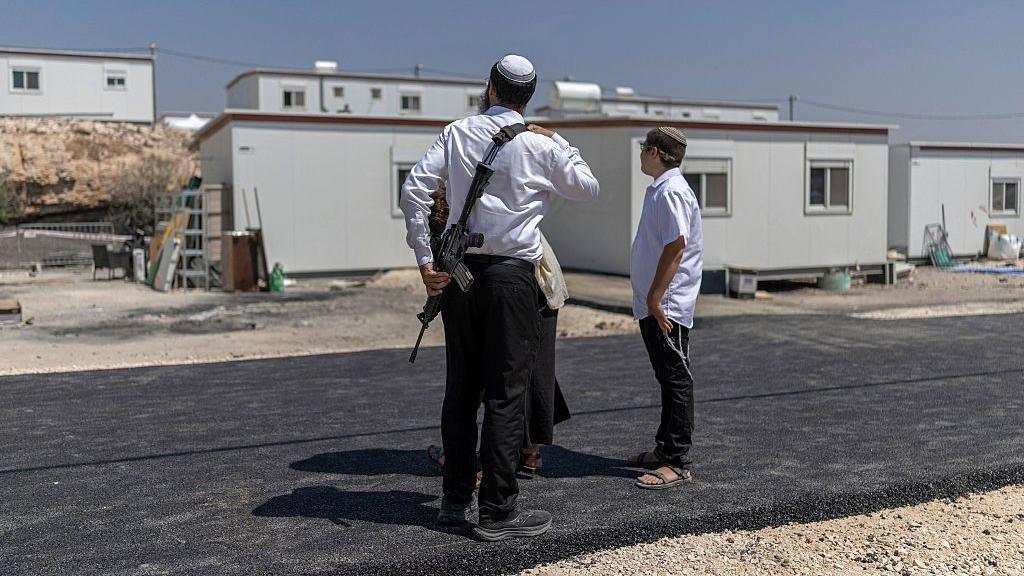
Britain, along with 11 other nations, has banned goods and services linked to Israeli settlements in the occupied West Bank. In response, Israel’s government decries the move as hostile, closing embassies and demanding a diplomatic reset. The sanctions extend beyond products to firms that finance, build or arm settlements, signalling a sharp shift in UK‑Israel relations and raising questions about the future of Palestinian statehood. The decision has drawn intense political debate and amplified protests from Arab and Israeli communities alike.
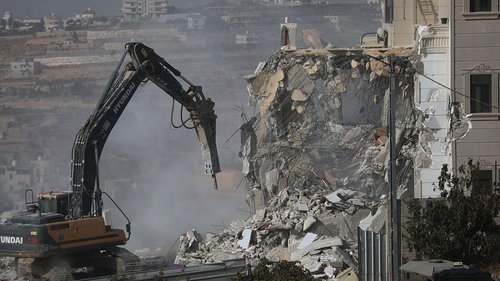
Britain has cut ties with Israeli settlement products after a 2024 International Court of Justice ruling that the occupation is unlawful.
The UK, along with France, Spain, Canada and nine others, banned sales of goods from the settlements and companies that help build or finance them. Israel slammed the step as a hostile attack, closing its consulate in East Jerusalem and withdrawing staff from the International Gaza Support Centre.
Foreign Secretary Ed Miliband, a proud British Jew, framed the move as a “reset” of UK policy. He said settler violence fuels “ethnic cleansing” and called for a path to a Palestinian state on 1967 borders. The decision has left London‑Israel relations at their lowest ebb in decades.
The sanctions underline Britain’s renewed commitment to international law, but gather criticism from Israeli and settler groups worried about foreign influence. The U.S. remains largely out of tune, with President Trump showing little appetite for limiting settlement expansion. The global community now watches as 12 countries shape the future of the West Bank.