In brief
Britain and the United States sent the last of their troops out of Iraq, marking the official end of a coalition effort that began in 2014 to defeat ISIS. The final departure happened from the Irbil air base in northern Iraq and followed an agreement signed two years ago to withdraw foreign forces. Iraqi leaders celebrated the move as a new chapter of full security responsibility, while analysts warn that Iranian‑backed militias could grow in influence without a U.S. presence. The withdrawal also signals a shift in U.S. strategy, keeping forces deployed in Jordan and Syria to counter remaining ISIS threats.
UK‑US Troops Exit Iraq, Ending Operation Inherent Resolve
\The last 100 British soldiers and their American allies have departed from Irbil in northern Iraq, closing a decade of combat against ISIS. The final draw‑down was planned over weeks of coordination with U.S. forces, who also left on Wednesday.
\The departure follows a 2024 agreement that called for all foreign troops to leave by the end of September. The coalition, which launched in 2014, helped topple the extremist group and trained Iraqi forces to defend themselves.
\Iraqi Prime Minister Ali al‑Zaidi hailed the exit as a sign that “Iraq is now ready to take full control over its security.” The government will celebrate four “Sovereignty Days” as a national holiday to mark the milestone.
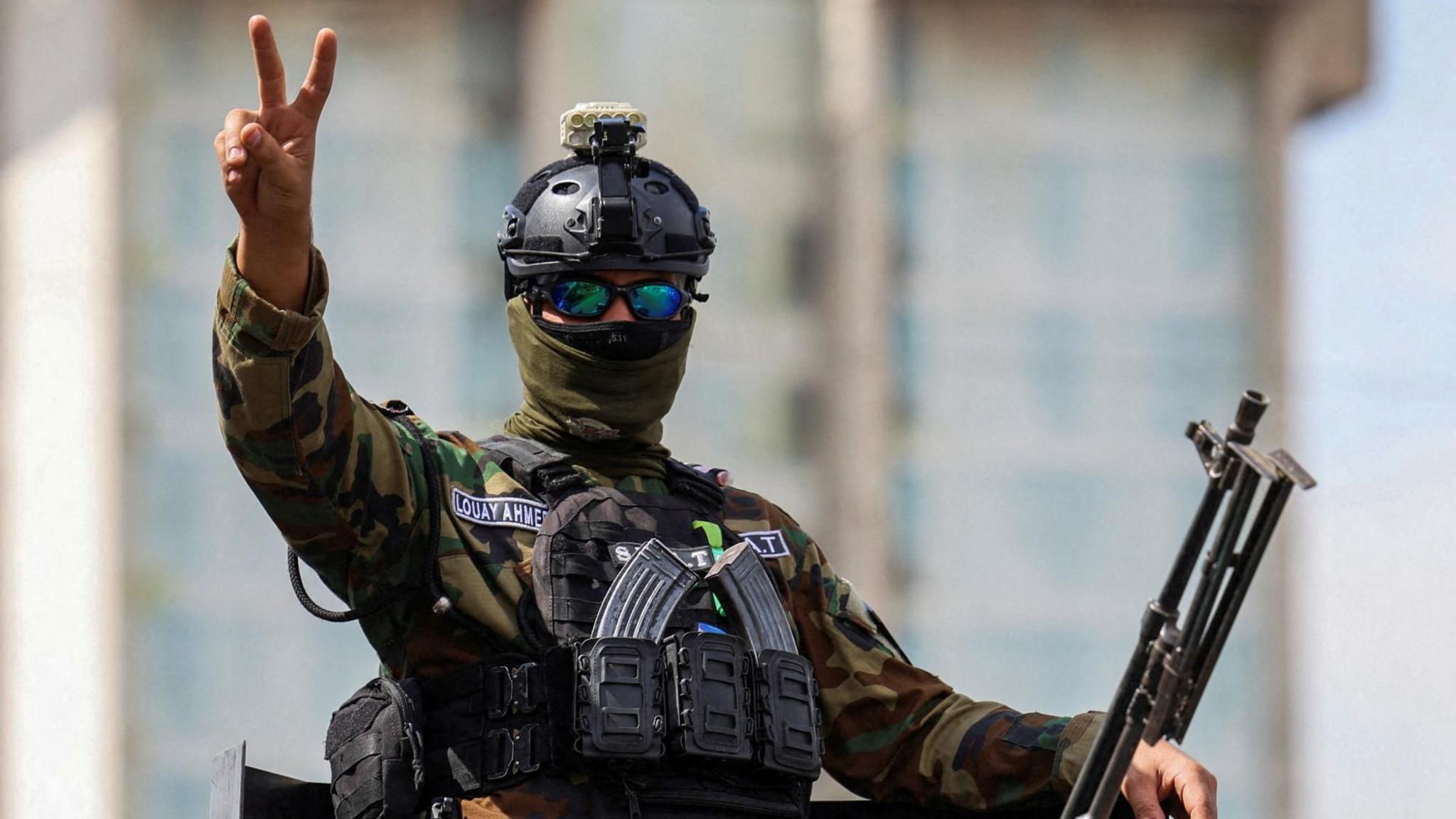
\However, officials warn that Iranian‑backed militias could become more influential now that U.S. troops are gone. Prime Minister al‑Zaidi has pledged to disarm these groups, but many factions resist such moves.
\While troops leave Iraq, U.S. and U.K. forces remain active in Syria and in joint task forces based in Jordan, continuing limited operations against leftover ISIS cells.
\ \ \