
In brief
In the Andean town of Piñas, Ecuador, twins María Luisa and María del Cisne live with Laron syndrome, a rare condition that keeps their height at 1.2 m (3.9 ft). Despite their short stature, studies show their risk of cancer and diabetes is far lower than average, pointing to the hormone insulin-like growth factor‑1 (IGF‑1) as a possible key. Researchers aim to replicate this protective effect with drugs or diet in the wider population. While the twins themselves missed the chance for growth hormone treatment, their story illustrates the challenges and hope surrounding rare diseases.
Nestled in southern Ecuador’s Andes valley, the town of Piñas shelters a surprising number of people who never grow tall. A rare disease called Laron syndrome keeps them at about 1.2 m (4 ft) or shorter.
Meet the Twins
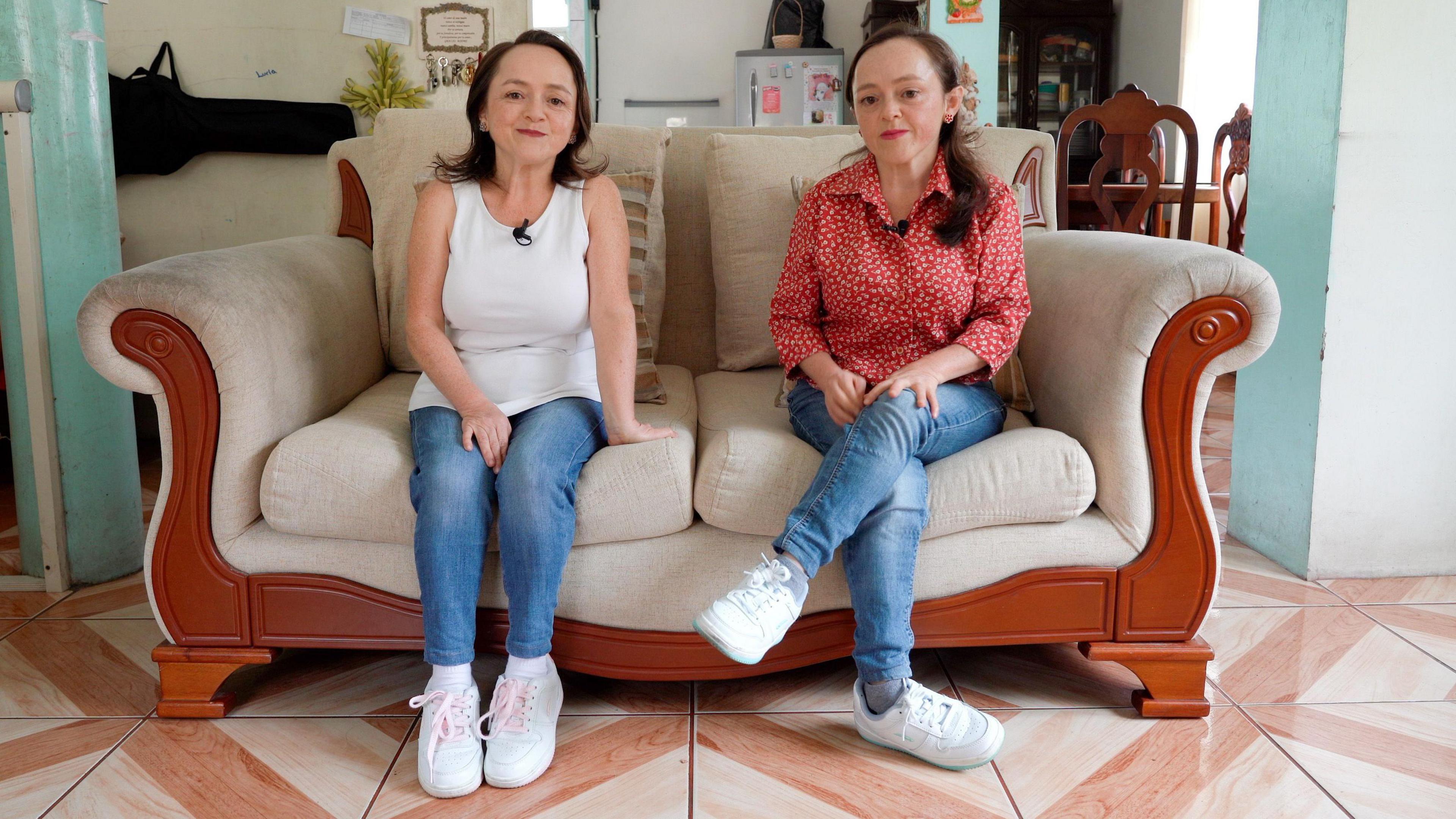
María Luisa and María del Cisne – both 40 – are twins who share more than a bond. They support each other daily and run a chocolate‑making business. “We’re always strong, we pool our strength and one defends the other,” María Luisa says while she sits beside her sister.
The Surprising Benefit
Scientists discovered that people with Laron syndrome have far fewer cases of cancer and diabetes. A study over 22 years showed zero diabetes and just one non‑fatal cancer in Laron patients, compared to a 5 % diabetes and 17 % cancer rate among people of normal height.
The secret? Low levels of IGF‑1, a hormone that stops cancer cells from dying naturally. Dr. Jaime Guevara, who has investigated this in Ecuador for four decades, is working to turn that insight into treatments for the general population.
Can We Replicate It?
Researchers used a 1:100 “normal‑height to Laron” comparison in the same villages, eliminating environmental and genetic confounders. The results suggest that simply lowering IGF‑1 might reduce cancer risk – a possibility that could open new drug or dietary strategies.
The Drug That Could Help
Increlex was first crafted 15 years ago to boost height in children with Laron syndrome. It works best in children aged 2–18, but can cost over $2,400 per month due to limited supply from one manufacturer.
Some families, like that of Mayra Loaiza, still wait for their children’s first dose. Her two‑year‑old daughter, Camila, has been ready to start six months ago but hasn’t received the medicine yet.
What Does This Mean for the Future?
Though the twins missed the critical treatment window, they regard themselves as healthy. Their story gives hope that future research can develop safe, affordable ways to mimic Laron’s protective low IGF‑1 levels. For now, scientists continue testing on mice and pigs to decode the full mechanism.
Laron syndrome’s rare and fascinating traits highlight how studying tiny differences in body chemistry can illuminate larger health mysteries. The twins, a small community, and scientists worldwide keep pushing the frontier of cancer prevention.