The US may want many of its foes gone from power. It doesn’t usually send in the military and physically remove them.
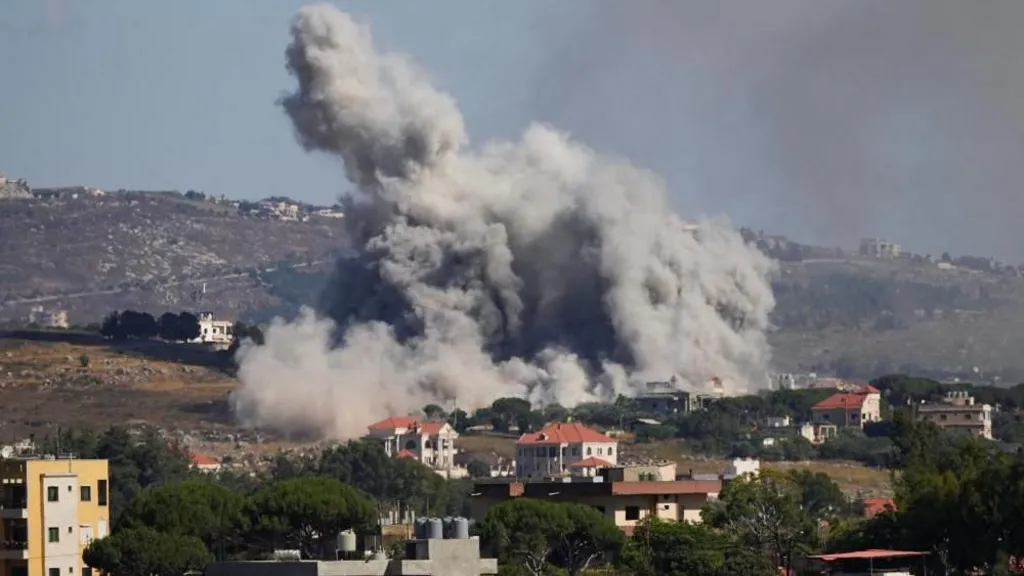
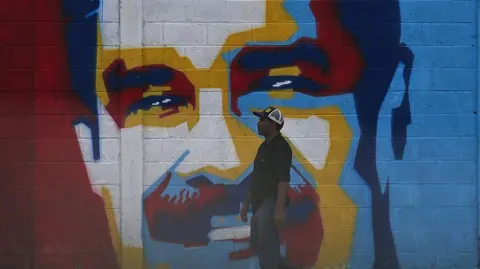
Venezuela's abrupt awakening took two forms: its residents were abruptly awoken to the sound of deafening booms — the sound of its capital Caracas under attack from US strikes targeting military infrastructure. Its government has now woken up from any illusion that US military intervention or regime change was just a distant threat.
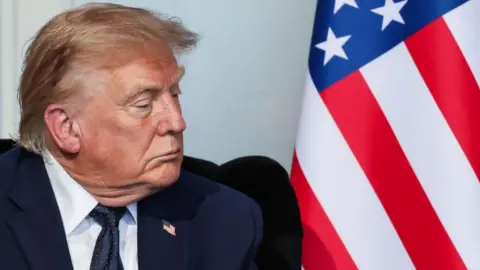
US President Donald Trump has announced that its leader, Nicolás Maduro, has been captured and flown out of the country. He now faces weapons and drugs charges. His exact whereabouts is unknown, and his colleagues have demanded proof he is still alive.
The US has not carried out direct military intervention in Latin America like this since its 1989 invasion of Panama to depose the then-military ruler, Manuel Noriega. Back then, like now, Washington framed this as part of a wider crackdown on drug trafficking and criminality.
This latest operation, striking inside a sovereign capital directly, marks a dramatic escalation in US engagement in the region. The forcible removal of Maduro will be hailed as a major victory by some hawkish figures within the US administration.
Washington has not recognised him as the country's president since the 2024 elections were widely dismissed as neither free nor fair. For Venezuela's government, this intervention confirms what it has long claimed: that Washington's ultimate goal is regime change.
Venezuela has also accused the US of wanting to 'steal' its oil reserves, with the strikes and capture coming after months of US military escalation in the region involving warplanes, thousands of troops, helicopters, and the world's largest warship.
However, what comes next inside Venezuela is uncertain. The US would like the Venezuelan opposition, allied with the US, to take power, but the government controls all major state powers and its hold seems firm despite the intervention.
Concerns run high that this US intervention could spark violent fragmentation and prolonged power struggle within Venezuela, where the opposition is also divided.
With the changing political landscape in South America favoring right-wing movements, both Trump and Maduro’s enemies are looking anxiously at what the future holds for governance in Venezuela.}
Venezuela's abrupt awakening took two forms: its residents were abruptly awoken to the sound of deafening booms — the sound of its capital Caracas under attack from US strikes targeting military infrastructure. Its government has now woken up from any illusion that US military intervention or regime change was just a distant threat.
US President Donald Trump has announced that its leader, Nicolás Maduro, has been captured and flown out of the country. He now faces weapons and drugs charges. His exact whereabouts is unknown, and his colleagues have demanded proof he is still alive.
The US has not carried out direct military intervention in Latin America like this since its 1989 invasion of Panama to depose the then-military ruler, Manuel Noriega. Back then, like now, Washington framed this as part of a wider crackdown on drug trafficking and criminality.
This latest operation, striking inside a sovereign capital directly, marks a dramatic escalation in US engagement in the region. The forcible removal of Maduro will be hailed as a major victory by some hawkish figures within the US administration.
Washington has not recognised him as the country's president since the 2024 elections were widely dismissed as neither free nor fair. For Venezuela's government, this intervention confirms what it has long claimed: that Washington's ultimate goal is regime change.
Venezuela has also accused the US of wanting to 'steal' its oil reserves, with the strikes and capture coming after months of US military escalation in the region involving warplanes, thousands of troops, helicopters, and the world's largest warship.
However, what comes next inside Venezuela is uncertain. The US would like the Venezuelan opposition, allied with the US, to take power, but the government controls all major state powers and its hold seems firm despite the intervention.
Concerns run high that this US intervention could spark violent fragmentation and prolonged power struggle within Venezuela, where the opposition is also divided.
With the changing political landscape in South America favoring right-wing movements, both Trump and Maduro’s enemies are looking anxiously at what the future holds for governance in Venezuela.}