In brief
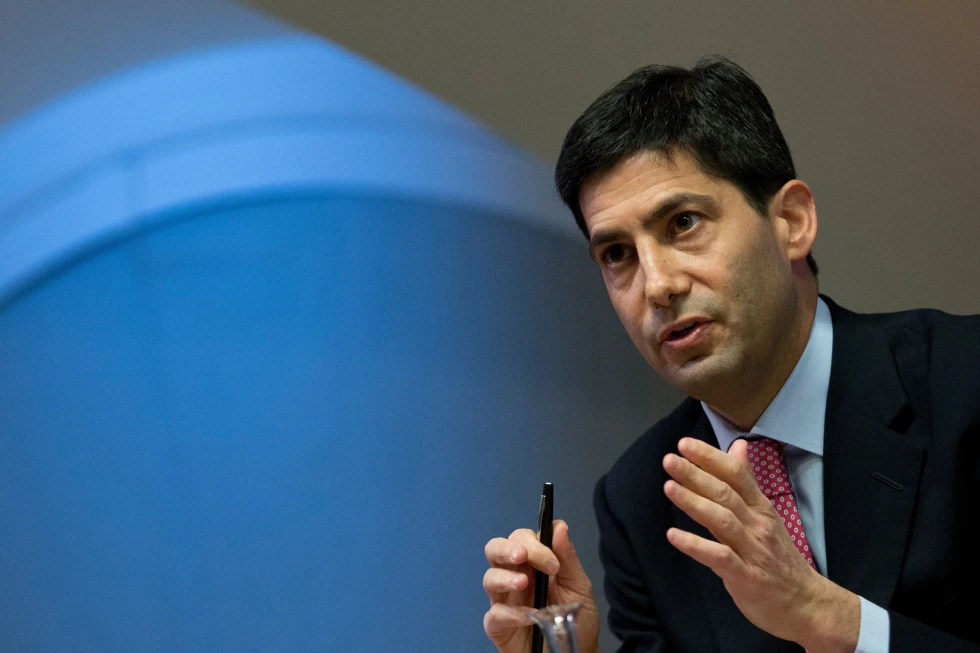
In a surprising move, President Trump has nominated Kevin Warsh, a former Federal Reserve governor, as the next chair of the Fed. If confirmed, Warsh could shift the Fed closer to the White House and impact monetary policy significantly, particularly interest rates. Warsh, who has expressed concern over the Fed's handling of inflation, previously served under Trump as a critic of lower interest rates. This nomination comes as Trump continues his criticism of current chair Jerome Powell and seeks a more favorable economic stance leading into his upcoming term.
WASHINGTON (AP) — President Donald Trump has officially nominated former Federal Reserve official Kevin Warsh to be the next chair of the Federal Reserve, potentially bringing major changes to the powerful agency. Warsh, who would replace current chair Jerome Powell when his term ends in May, has been a vocal critic of the Fed's current interest rate policies.
“I have known Kevin for a long time, and I have no doubt he will be one of the greatest Fed Chairmen, perhaps even the best,” Trump declared on social media.
Warsh, who previously served on the Fed’s board from 2006 to 2011, is known for his hawkish views on interest rates, advocating higher rates to control inflation. This is significant as Trump has repeatedly pushed for lower rates to stimulate the economy.
The nomination requires Senate confirmation and signals Trump's desire to exert greater control over the Fed, known for its independence. Critics are concerned that Warsh's leadership could defy traditional norms of central bank operations. His history of defending lower rates presents a contradiction given his previous statements as a hawk during his time on the board.
If Warsh's appointment is confirmed, it could reshape the Fed's approach to key economic issues, influencing everything from mortgage rates to inflation management.
With Trump's ongoing economic goals in mind, this nomination represents a pivotal moment for the future of U.S. monetary policy.