In brief
In a devastating incident, more than 200 people perished in a mine collapse in eastern Democratic Republic of Congo's Rubaya town. Heavy rains prompted the tragedy, with reports indicating that the site was poorly maintained. Victims included women and children mining coltan, a vital mineral in electronics. Survivors are receiving treatment, but the community mourns a huge loss. The governor visited those affected as the region continues to navigate the complexities of rebel control over its rich mineral resources.
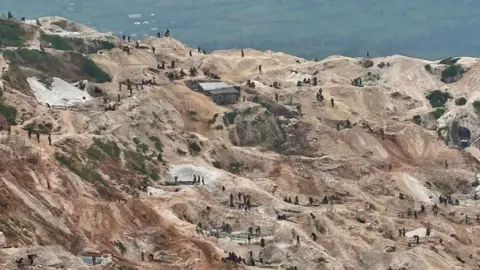
A shocking mine collapse in the town of Rubaya, Democratic Republic of Congo, has resulted in the death of over 200 people, as reported by local rebel authorities.
The tragedy occurred on Wednesday due to severe rainfall, according to Lumumba Kambere Muyisa, a spokesperson for the region's rebel governor. Initial reports did not clarify the extent of casualties.
Among the deceased were women and children who were working to extract coltan, an essential mineral for making electronics like smartphones and computers.
A former mine supervisor indicated to the BBC that improper maintenance of the site had created hazardous conditions, worsening the likelihood of accidents and complicating rescue operations.
He noted that the fragile soil conditions contributed to the tragedy.
Many of the miners were artisanal workers, not formally employed by any mining companies. Roughly 20 survivors are currently hospitalized receiving treatment for their injuries.
A family member of a victim expressed disbelief at the loss, reflecting on the dreams and aspirations of his loved one, who sought to support his family through mining.
Governor Erasto Bahati Musanga, appointed by the M23 rebels, visited some of the survivors on Friday, highlighting the ongoing struggles in this region under insurgent control.
Rubaya's mines contribute significantly to the world's coltan supply, which accounts for about 15% of global production. This area has been under M23 control since 2024, with accusations from the UN regarding the rebels imposing taxes for their own gain on local mining activities.
The situation continues to draw attention, raising questions about the regulatory framework surrounding mining operations in conflict zones.