In brief
Residents near the Tijuana River face severe health risks due to the constant flow of sewage and industrial waste. With over 100 billion gallons of contaminants since 2018, the environmental crisis affects local communities, especially those living in poverty. Symptoms include headaches, respiratory issues, and neurological damage, prompting calls for urgent cleanup measures. Local officials are collaborating with the EPA to implement solutions, but the process will take years. Despite this, many residents continue to suffer from the lingering effects of toxic pollution.
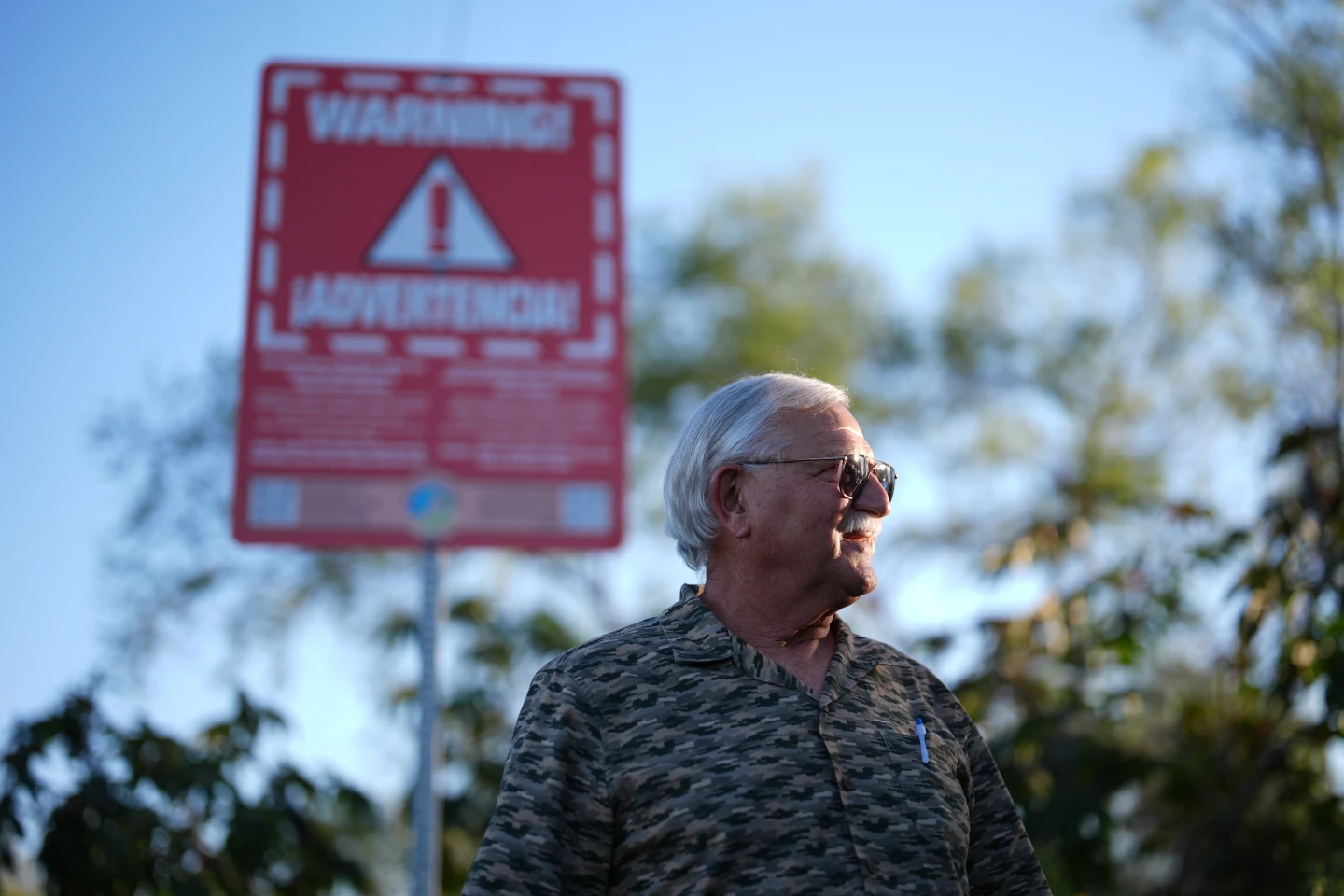
The Tijuana River, which serves as a boundary between the U.S. and Mexico, has become a toxic cesspool affecting nearby residents' health. Steve Egger, a local resident, reports suffering from constant headaches and having to invest heavily in air filtration systems to mitigate the noxious fumes wafting into their homes.
According to the International Boundary and Water Commission, over 100 billion gallons of untreated sewage have flowed into the river since 2018. The contamination is linked to Tijuana's rapid urban growth and insufficient waste management infrastructure. The river has become so polluted that it poses immediate health threats to approximately 40,000 households nearby.
The pollutants generate toxic gases, leading to respiratory and other health problems, prompting a response from the EPA. Officials are now working on upgrades to wastewater treatment facilities in Mexico to alleviate future pollution. However, the cleanup is expected to take years, leaving many residents trapped in an ongoing crisis.
Local doctors have noted a spike in health issues correlated with river pollution, further emphasizing the urgency of addressing this deteriorating environmental situation.