In brief
When a table‑tennis championship filled Gippsland’s hotels, the jury that found Erin Patterson guilty had to share rooms with prosecution witnesses and journalists. The prosecution says no contact happened, but the defense argues even casual exposure could bias the verdict. Patterson’s appeal is now focusing on whether the hotel mishap undermined the trial’s fairness.
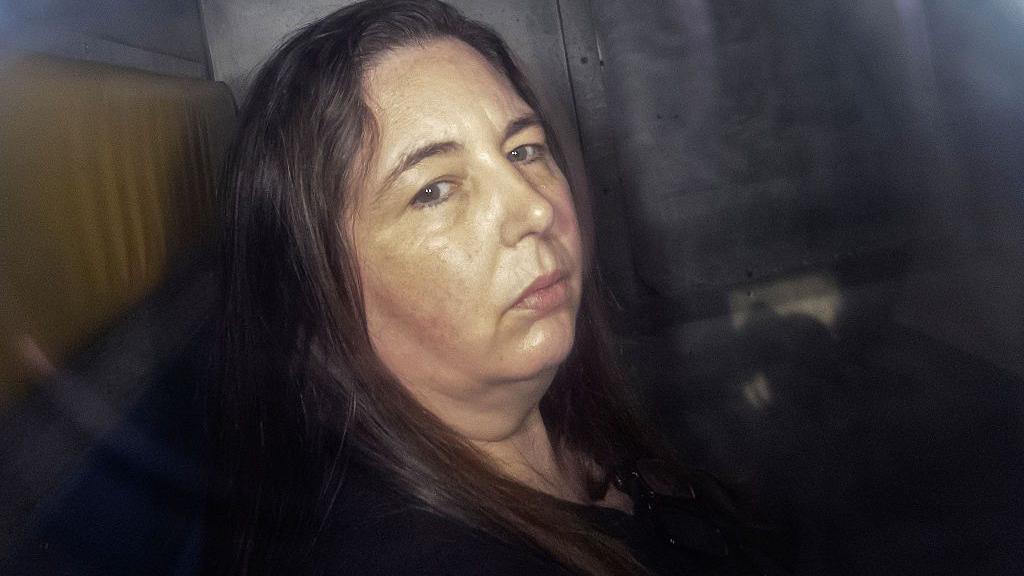
Last year, a table‑tennis tournament plus a courthouse drama converged in Gippsland, Australia. Erin Patterson was found guilty of poisoning three people with mushrooms, but the jury that made the verdict was forced to share a hotel room with the prosecution’s detective, two lawyers, and press officers. The mix‑up is now at the heart of her appeal.
Jury Sequester Gone Wrong?
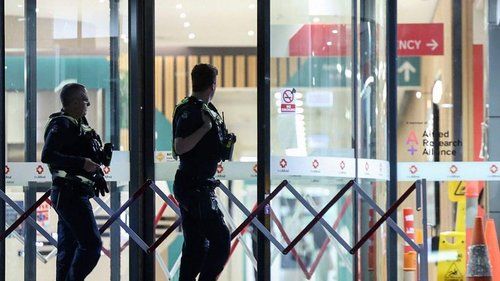
The trial judge had warned that the jury must stay isolated from the public. Instead, the jury’s hotel ran out of rooms because of the influx of players. They shared common spaces with the prosecution and journalists.
The defense claims that even fleeting contact could incline jurors, calling the hotel situation “catastrophic.” They argue this undermined the court’s fairness and therefore requires a retrial.
Prosecution’s Counter‑Argument
Prosecution lawyers insist the system worked as intended. The jury was monitored by a keeper and all parties were told to stay apart. “There was no interaction,” they say.
The key point of contention is the perception of interference. Even if no conversation occurred, the mere sight of suspects could sway juries.
What’s Next?
The court now weighs Patterson’s appeal and the possibility of scrapping her parole. A decision will come later, and the case continues to be debated worldwide.