In brief
A tanker pursued the Strait of Hormuz was hit by an unknown number of projectiles on Saturday, 51 nautical miles north of Qatar. The UK Maritime Trade Operations confirms casualties and marks the incident as a rare deep‑Gulf assault amid ongoing tensions. It comes after a series of attacks on merchant vessels following the Iran conflict that began in February. Seafarer deaths have now risen to 24 since the war began, according to the IMO. Global oil supply routes and maritime security protocols are under renewed scrutiny.
A tanker was struck by multiple projectiles 51 nautical miles (94 km) north of Qatar’s capital, Khalifa City, UK Maritime Trade Operations said on Saturday. The blast caused casualties and is the first deep‑Gulf attack of its kind since the start of the Iran‑U.S. conflict in February.
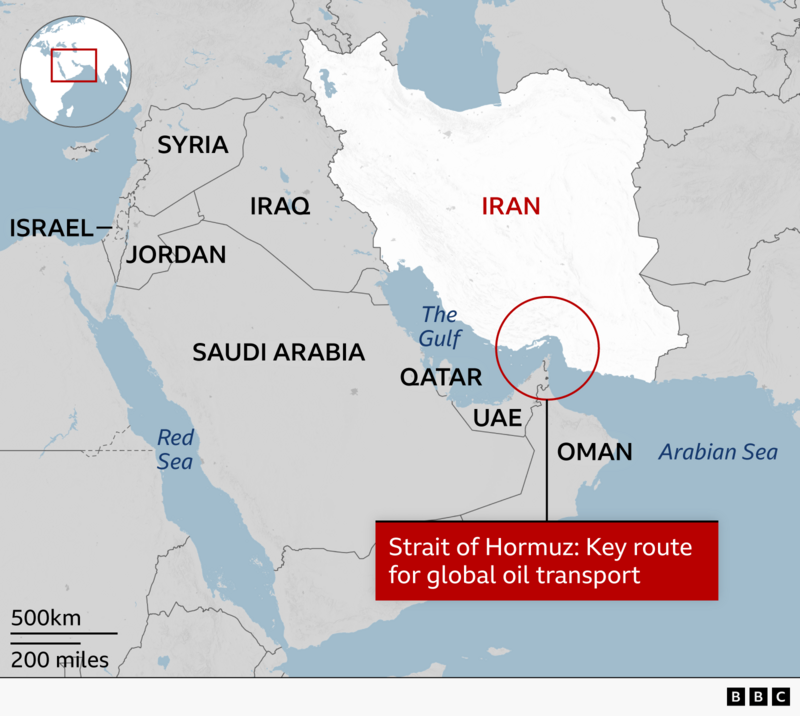
Vanguard Marine Intelligence identified the vessel as the Antigua‑and‑Barbuda‑flagged oil and chemical tanker Acers, which was heading toward the Strait of Hormuz – the choke point that sees a fifth of the world’s oil and gas flow. The commentary from EOS Risk Group’s Martin Kelly noted that this is the first attack west of Hormuz since the 9 September incident that killed two sailors on the Panama‑flagged tanker El Gaia.
The IMO reports 24 seafarers have been killed in 93 confirmed attacks since the war’s onset. Shipping routes have been rerouted via Omani waters to avoid Iranian territory, but the latest strike shows that threats persist even outside the immediate strait.
In response, the U.S. military has stepped up escorting tankers through the region. Recent data from Kpler show daily crude exports via the Strait of Hormuz averaging 12 million barrels, roughly 80 % of pre‑war levels. Analysts warn the strait remains a flashpoint and that maritime security is critical for global oil supply stability.