In a thrilling revelation, Egypt's Ministry of Antiquities has announced the discovery of a royal tomb in the Valley of the Kings, just west of Luxor. This tomb, belonging to King Thutmose II, is hailed as the first excavation of a royal tomb since the famous burial of King Tutankhamun in 1922. Thutmose II, who ruled around 1480 B.C., has long been a figure of fascination, and this newfound burial site is considered the last missing royal tomb from the 18th Dynasty.
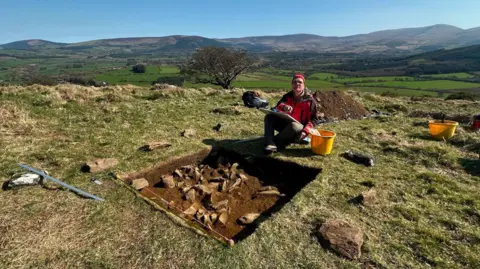
The excavation was a collaborative effort between Egyptian and British researchers, launching in 2022 when they found the tomb's entrance and main corridor. Initial assumptions led archaeologists to believe it was a royal consort's tomb due to its proximity to other royal women’s burial sites, including that of Queen Hatshepsut, who rose to power after Thutmose II’s death. Surprisingly, the tomb is situated in an unusual location beneath waterfalls and at the bottom of a slope, indicative of wetter conditions in the 15th century B.C.
However, evidence collected from the site confirmed it was a king's burial place. Fragments of alabaster jars were discovered, inscribed with Thutmose II's name as the "deceased king," while inscriptions referencing Hatshepsut further validated the tomb's significance. The ceiling, remarkably preserved and adorned with blue paint and yellow stars, is a design element exclusively found in the tombs of kings.