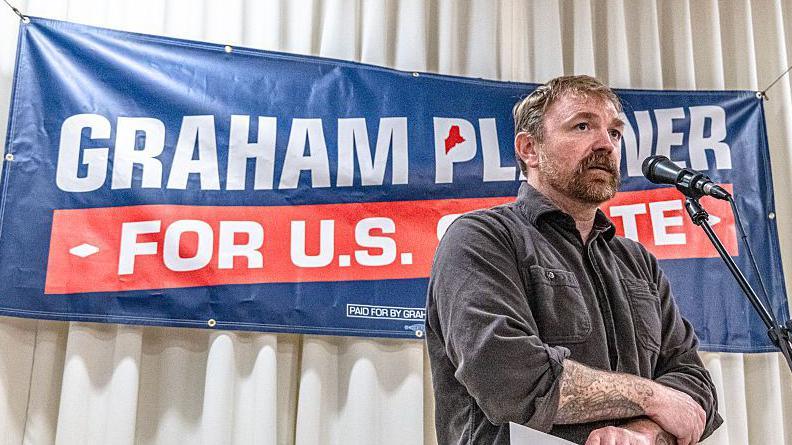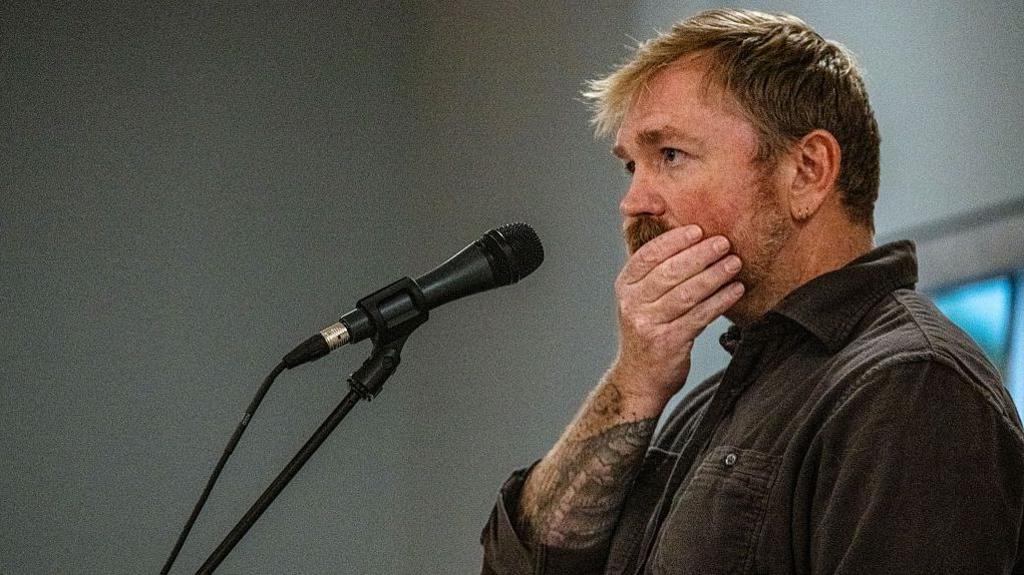
Graham Platner’s dramatic rise to become Maine’s Democratic Senate nominee ended in a 60‑second video tweet announcing he’s pulling out after a judge‑referred claim that he’d unlawfully entered a woman’s home in 2021. The claim hit hard, draining the 72% of caucus voters who had backed him in the primary and Dr. Susan Collins, the only Republican senator who had won a Maine seat in 2024.
A Race on the Line
The United States Senate control hinges on four Republican seats, Maine being a must‑win. If Democrats lose Collins’ seat, they lose momentum for the 2028 Presidential race, blurring the blue‑shift the party has sought with players like Bernie Sanders and Elizabeth Warren.
The Depth of the Rift
Platner’s departure re‑opens old fights. Progressives complained before the scandal that the party’s leadership was telling a story that would defeat the very voters it wanted to attract. With rivals accusing Platner’s crew of trying to “manipulate” the nomination process, Democrats risk alienating a youthful, working‑class base that gave Monte the 2024 win.
But Who’s Next?
The party’s state chair vowed a transparent convention to pick a replacement, but pressure from supporters who felt represented by Platner means any new nominee will be under scrutiny of the same political dynamics. Candidates line up: Troy Jackson, former Senate leader; Nirav Shah, pandemic‑era epidemiologist; and Shenna Bellows, former Secretary of State.
The clock is ticking to name a candidate before the July 27 deadline, and the party hopes that the last‑minute scramble won’t break the coalition that made the party’s 2024 presidential landslide possible. For Democrats, Platner’s exit is more than a scandal; it’s a test of unity in the lead‑up to the most consequential midterm yet.