In brief
In the occupied Donetsk region, the Izolyatsia prison revealed a network of systematic torture. Victim Liudmyla Huseinova tells the story of her abduction, beatings, and sexual assault while Ukrainian activist groups gather evidence. The BBC, with local investigators, traced former police officers who now live in ordinary life, exposing how these men evade accountability. Human rights groups receive new data, as the Ukrainian legal system prosecutes dozens of accused, though many perpetrators continue to roam free.
The hidden world of the Izolyatsia detention centre
In 2019, during a ferrard‑seized night, 64‑year‑old Liudmyla Huseinova was dragged from her home and dropped into the back seat of a car. She was never heard of again until October 2022, when she was released in a prisoner exchange after three years inside “Izolyatsia”, a factory‑turned‑prison in occupied Donetsk.
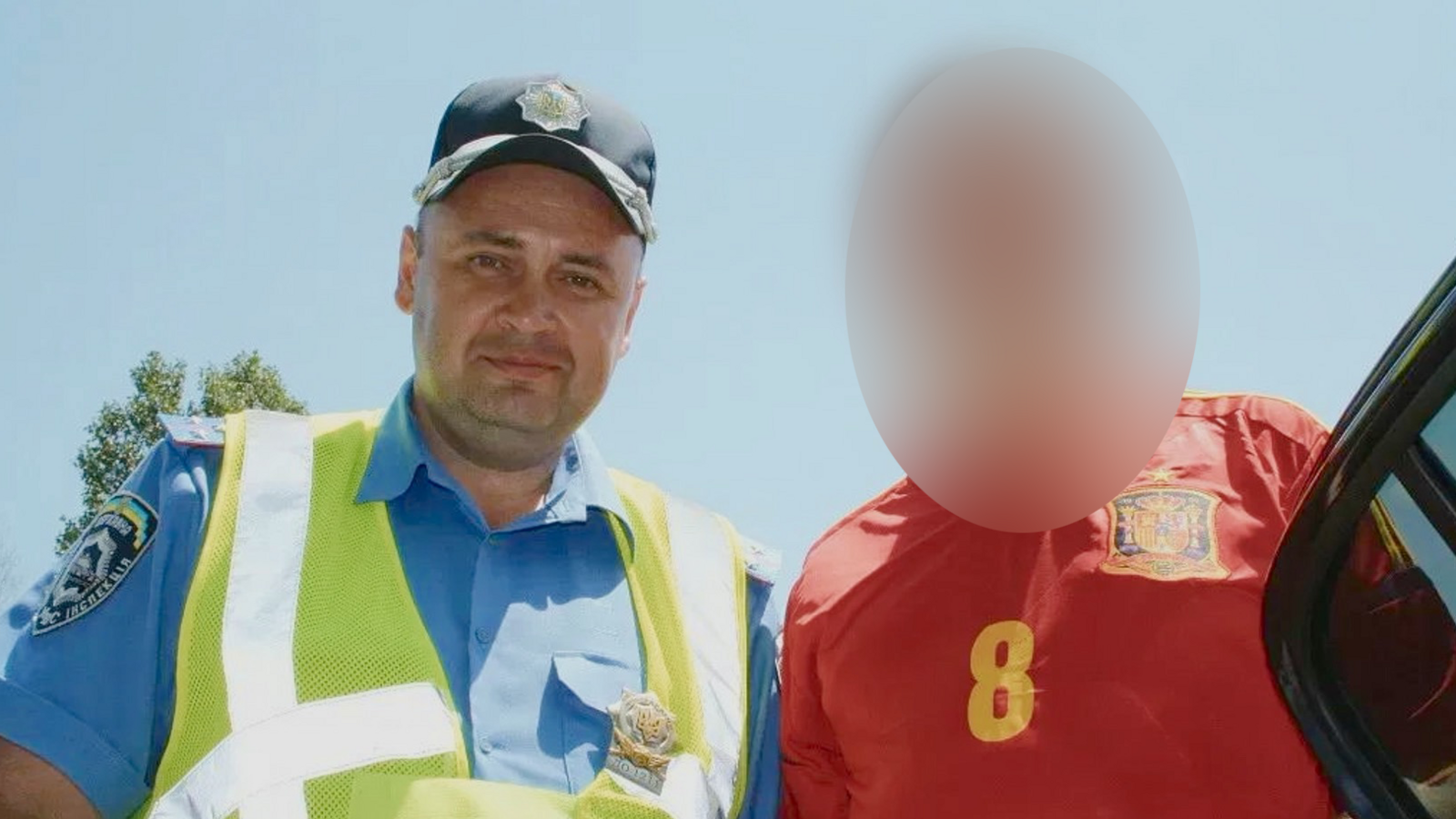
The men she was accused of being served by were former traffic police, now living ordinary lives under Russian passports. Among them, Yurii Temerbek was photographed in a 2013 Ukrainian police uniform. Via social media, the BBC investigators traced their current residences in Russia’s Rostov region.
Inside Izolyatsia, Liudmyla remembers constant light, 18‑hour stand‑ups, sudden beatings, and one guard named Yermak who forced her to eat contaminated food. She was also sexually assaulted by a guard named “Koval”. Twenty‑two years later, she still cannot fully recover from “the terrifying screams” that echo in her mind.
BBC teams coordinate with Ukrainian reporters Bohdan Kosokhatko and Vladyslav Chyryk to track these men. They also mapped 93 detention sites in occupied Ukraine and an additional 102 in Russia. In total, 2,000 people have passed through such facilities since Russia’s 2022 invasion.
Some men, like former police officer Andrey Spivak, are now seen on signed taxi licences, with social‑media profiles showing weekend trips, yet Ukrainian prosecutors have charged them with cruel treatment. Only one former Izolyatsia head has been imprisoned—a 15‑year sentence in 2021. Yet heavy‑handed coercion continues, as the UN reports a “systematic” pattern of torture in occupied Ukraine.
Liudmyla, now living in Kyiv, runs a support organisation that connects families to detainees. She urges us that justice for her means the world must name and punish those who turned a factory into an exercise ground for violence.
The BBC strives to hold these men accountable. The Ukrainian legal system has opened dozens of cases; 85 have been charged and 30 convicted, many by penalty to force a public justice. The fight for victims’ rights continues.
If you've seen situations like this, click here for more stories.