In brief
As The Beatles landed in America just weeks after JFK’s assassination, could this moment of national sorrow have paved the way for their unprecedented fame?
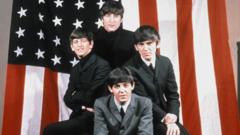
In a new documentary titled "Beatles '64," Paul McCartney shares his thoughts on the band's rapid rise to fame in the U.S., suggesting that America may have needed The Beatles as a source of joy following the assassination of President Kennedy. McCartney implies that the emotional turmoil following JFK's tragic death created an audience eager for something uplifting. On February 7, 1964, just 70 days after Kennedy's murder, The Beatles arrived at JFK International Airport to a tremendous crowd, signaling their entry into the American music scene. Cultural historians note that both JFK and The Beatles targeted youth culture, with Kennedy's charm as the first 'TV president' resonating with young viewers. Dr. Patrick Andelic of Northumbria University explains how Kennedy's assassination, the first of a sitting president in decades, left America in shock and mourning. Consequently, when The Beatles arrived, they offered humor and excitement that the nation was craving. Previously, British music acts had generally struggled to gain a foothold in America. However, The Beatles' single "I Want To Hold Your Hand" debuted just days after JFK's death and quickly topped the charts. Their American breakthrough was solidified during their iconic appearances on "The Ed Sullivan Show," which drew in impressive audiences and clenched their status as pop icons.Despite some arguments linking their success with JFK's death, experts like Dr. Holly Tessler emphasize that the real catalyst for Beatlemania was their electrifying performances on live TV, which captivated millions. Thus, while the context of Kennedy's assassination might have created a longing for joy, the band's own talent and media strategy played a crucial role in their rise to stardom. The documentary "Beatles '64" is currently available for streaming on Disney+, highlighting this pivotal moment in music history.