In brief
Despite Trump’s ambitions, many Arctic developments have stalled due to geopolitical conflicts and harsh conditions.
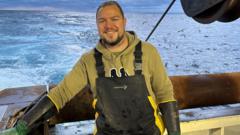
In recent news, Donald Trump's ongoing fascination with acquiring Greenland has stirred both curiosity and concern. This trend spotlights the Arctic, where significant mineral wealth fuels competition. It's a world where fishermen like Sondre Alnes-Bonesmo brave harsh winter seas for a livelihood, yet find the region’s economy cooling. Alnes-Bonesmo, working tirelessly on the trawler Granit, faces brutal Arctic conditions—months without sunlight and frigid temperatures dropping below -40°C. "I do prefer summer," Alnes-Bonesmo admits, recalling calmer seas and extended daylight. His work symbolizes the so-called Arctic “cold rush,” a term coined for the region’s potential wealth, first ignited in 2008 when vast reserves of minerals and hydrocarbons were discovered. The decline in ice levels from climate change is believed to make these resources more accessible. However, international tensions, particularly following Russia's invasion of Ukraine in 2022, have turned the tide. Planned economic advancements have ground to a halt as relationships between Western nations and Russia frayed. “International shipping has essentially stopped,” explains Morten Mejlaender-Larsen, a key figure at Norwegian firm DNV, which oversees industry regulations in the Arctic. On the Norwegian side, ambitions for oil and gas exploration have sputtered, pleasing environmentalists concerned about wildlife impacts. Norway has halted a round of licensing for deep-sea mining in the Arctic, reflecting a growing caution in Arctic exploration. Experts point out that despite reactions to climate change, operating in the Arctic remains perilous, requiring significant preparedness and investments. While Trump’s gaze falls on Greenland and increased drilling in Alaska, Denmark’s government has aptly answered that it is “not for sale,” and is ramping up its defense initiatives there. The Canadian effort to bolster its northern routes with a new deep-water port also reflects ongoing strategies to navigate the increasingly relevant Arctic region. Amidst these developments, Alnes-Bonesmo remains contemplative about his life at sea, understanding the Arctic's harsh beauty and power. "I've grown more scared of the Arctic Ocean, but I've also come to respect it," he admits, embodying the mix of opportunity and danger that characterizes the Northern frontiers.