In brief
Australia's deadliest animals, such as the Sydney funnel-web spider and King Brown snake, are not just threats; they're vital for creating antivenoms that save lives, reducing the risk of snake and spider bites to nearly zero in the country.
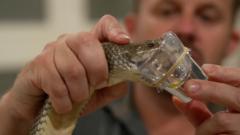
In a small room at the Australian Reptile Park, Emma Teni is risking her fingers to milk venom from Sydney funnel-web spiders, considered one of the world’s deadliest arachnids. Each day, she extracts venom from around 80 spiders, a crucial job in supporting a government antivenom program. Despite the terrifying reputation of these critters, no one has died from a funnel-web bite in Australia since 1981 due to the program's success.The venom extraction process involves careful capturing of these potent spiders, which are handed in by the public. People like Charlie Simpson, who recently encountered two funnel-webs in his garden, are encouraged to bring the spiders to the team rather than kill them. Capturing these deadly spiders actually aids in saving lives, as each spider's venom is a critical component in developing antivenom.Furthermore, Australia's snake population is equally dangerous. The venom extracted from snakes like the King Brown helps produce vital antivenoms, which are essential since up to 140,000 people die globally each year from snake bites. However, in Australia, fatalities are exceptionally low, attributed to effective antivenom distribution.The collected venom is processed into antivenom through a complex procedure involving injected horses and rabbits which build immune responses. CSL Seqirus, the facility producing these antivenoms, supplies around 7,000 vials annually, not just for Australia, but for neighboring Papua New Guinea, where snake bites pose significant risks.Australia's unique wildlife, while potentially dangerous, contributes significantly to human health and safety, highlighting an enthralling 'venom paradox' where the fearsome become lifesavers.