In brief
A new stage piece by Kalki Koechlin and director Sheena Khalid, *Belly of the Beast* draws from the actress’s own book to portray five women on the roller‑coaster of motherhood—from pregnancy to parenting struggles. The play bravely shines a light on often‑ignored issues like miscarriage, abortion, and postpartum depression, giving a voice to the silent pains many face. In a society that idolises motherhood as flawless, the production offers a refreshing, emotional honesty that won a standing ovation in Delhi. Critics say its mix of heavy themes and humor keeps audiences engaged, reminding everyone that a mother’s life truly involves so many unseen battles. The creative collaboration between a Bollywood star and a theatre director brings the harsh realities of motherhood—especially for Indian women juggling work, family, and society’s expectations—into sharp focus. Critics praised the play’s pacing and authenticity, calling it a must‑see for anyone curious about the real stories behind the cultural myth of motherhood.
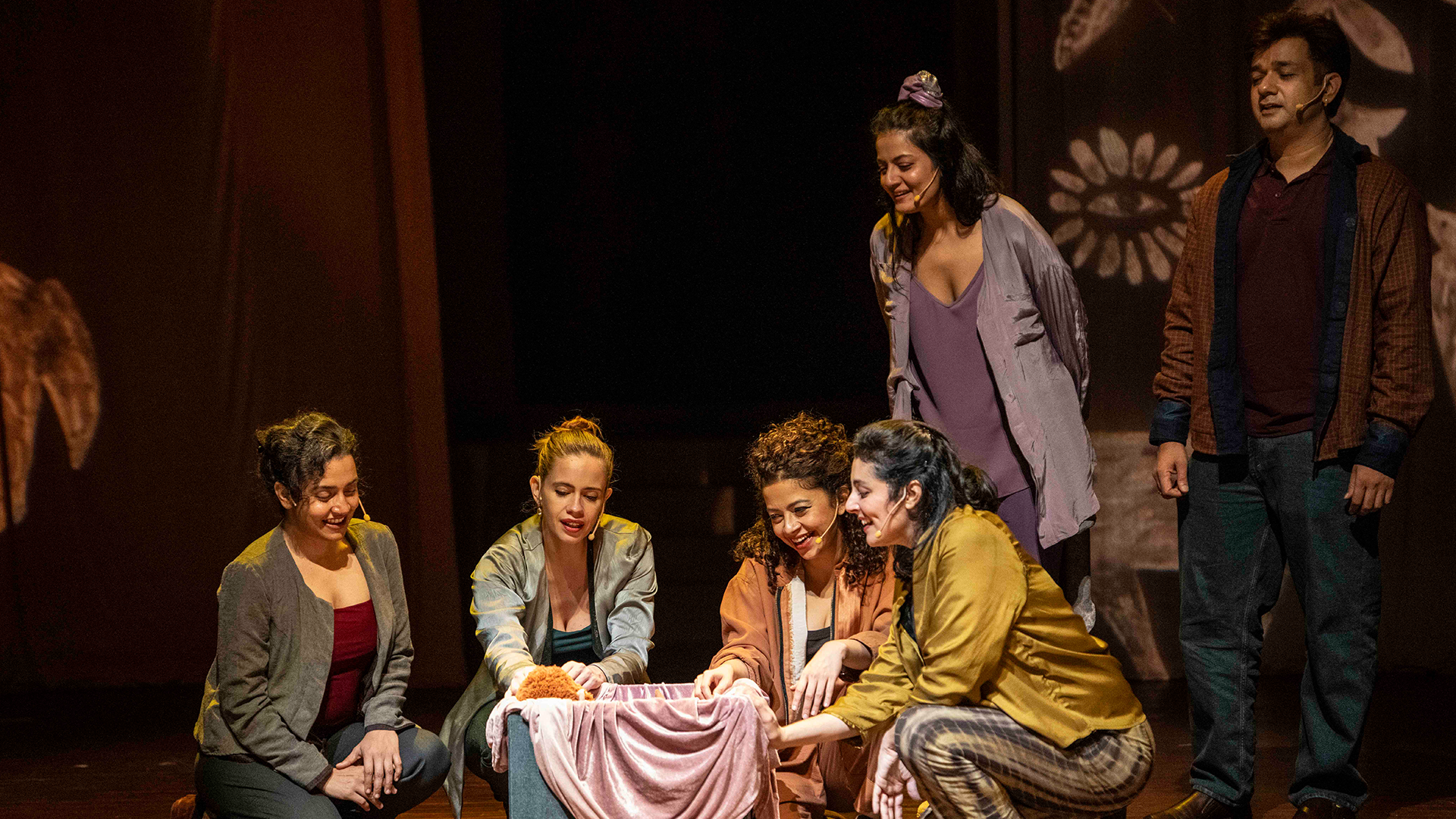
The birth of a baby is a moment everyone celebrates, but motherhood can also be messy and messy. Bollywood actress Kalki Koechlin, together with theatre director Sheena Khalid, has turned the messy side into a new play, Belly of the Beast.
The play, adapted from Koechlin’s 2021 book The Elephant in the Womb, follows five women at different stages: from the early pregnancy and labour, to the sleepless nights with newborns, and the stress of balancing work. It even faces the hard topics of miscarriages, abortions, and postpartum depression—a big deal in a country that still sees motherhood as a fairy‑tale.
“The conversation in India is all about how blessed we are to be mothers, but the reality is that some part of us also loses and grieves,” said Koechlin. She used her own struggle with postpartum depression during the Wuhan lockdown to bring the play’s truth to the stage.
At its debut in Delhi, the show drew a standing ovation and praised sets its pace and humor. Khalid explained that a balance between darkness and light keeps the audience engaged: “We’re talking about heavy topics like miscarriages, but we sprinkle humor so the audience feels relief.”
Koechlin also highlighted the pressure Indian mothers face to juggle home and career. With homes patriarchal structures making almost 70% of women stay home for childcare, her play calls for a shift: “It’s okay to drop the ball and let someone else help.”
The story unfolds through realistic scenes: a weary husband jokes about work while his wife hands back a silent 'just looked after the baby'. It addresses the pervasive stigma of miscarriage, with actress Shruti Vyas sharing her own loss and the painful, often invisible response from people: “You look fine, you haven’t lost.” This inside story helped the audience recognize that the pain is real and valid.
The play isn’t just a theatrical production; it’s a conversation. It speaks to the unseen battles of motherhood and invites women to speak out, even in a culture that expects them to remain super‑mothers. It shows that it’s okay to feel the tough side, too.