In brief
Smart‑glass co‑creation by Meta and Ray‑Ban sparked outcry when users could silently film strangers. In response, Meta introduced a camera‑free version with audio‑only features, hoping to soothe privacy fears. Still, the move hasn’t stopped the controversy – users report harassment, and critics call for stricter regulation. Tech giants from Snap to HTC are also racing to offer safer options, signalling a wider industry pivot toward privacy‑friendly wearables. The future of the tech little‑eyewear hinges on whether society can establish a norm around data‑harvesting and consent.
Meta’s ‘Pervert Glasses’ Get Camera‑Free Twist
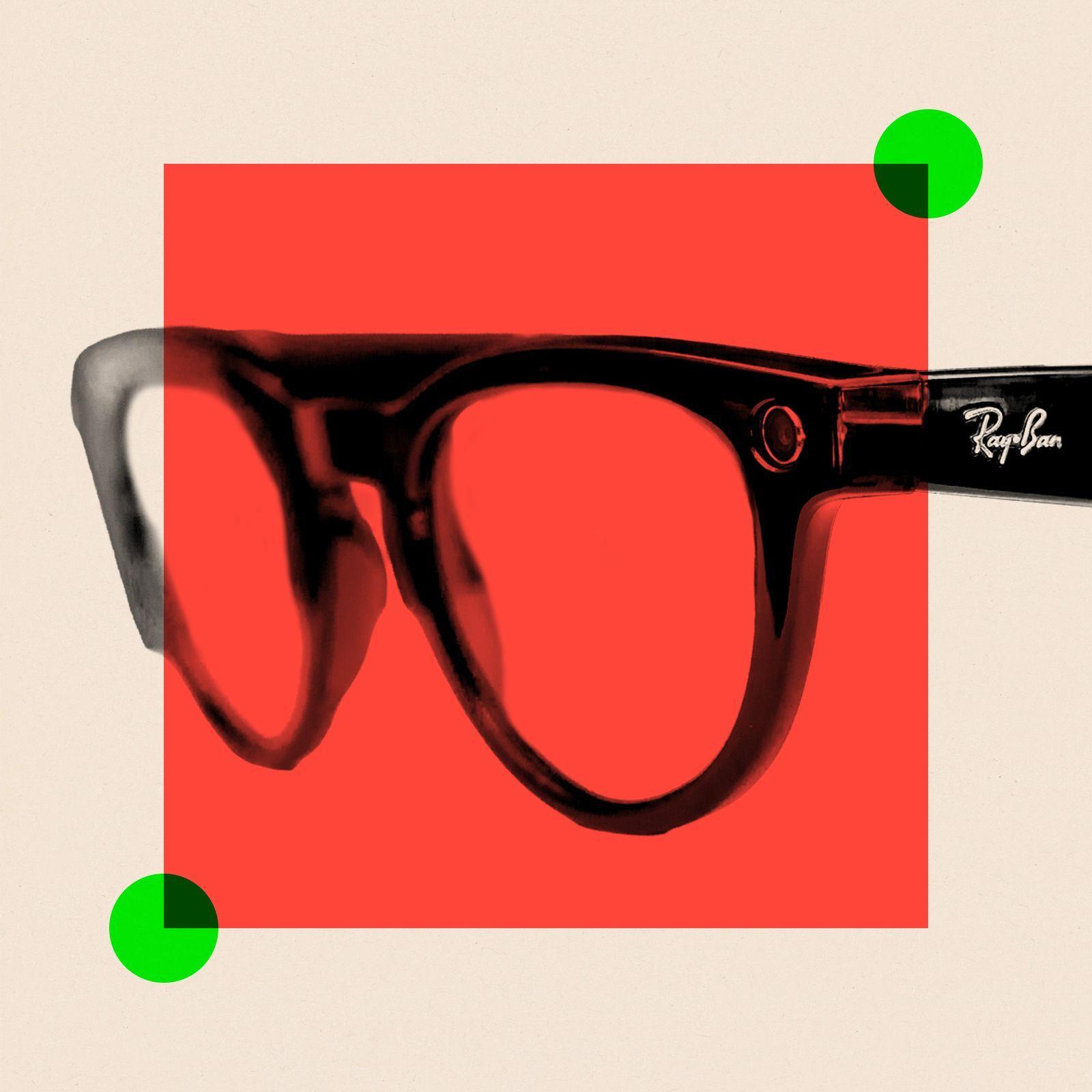
When Meta launched its AI‑powered smart glasses with Ray‑Ban in 2023, the public reaction was anything but quiet. The lenses were nicknamed “pervert glasses” after reports of women being filmed without consent and the footage circulated online.
Camera‑Free Cut? What’s New?
On Thursday, the company dropped the camera module entirely. The new Ray‑Band Meta Audio keeps the voice‑activated, Bluetooth‑linked audio functions, letting users call or listen to music while the lenses almost fade into normal sunglasses. Meta claims the new design has a lighter frame and a longer battery, making it cheaper than the camera‑enabled model.
Why the Backlash?
Critics argue that the blinking white LED still hints at a hidden camera, and hackers have already found ways to disable it. Even with the removal of video, the glasses still ping location and audio streams to the Meta app, raising concerns about tracking. As a result, venues such as JD Wetherspoon pubs, several theatres, and even a naval base have banned them.
Industry Response
Snap has released its own $2,195 Specs that keep a camera, while HTC’s Vive Eagle glasses promise a silent mode that shuts the camera when someone says “stop filming.” Google’s rumored “Android‑Lens” might add built‑in privacy settings. These moves show the market is racing to balance features with public trust.
Calls for Regulation
Tech‑founder Liz Hunter has launched a petition demanding new laws for wearable cameras. “Nobody should be able to use a pair of cheap glasses to secretly record people,” she says. The call echoes wider concerns that without regulation, smart sensors could become “a second invasion of privacy.”
Looking Ahead
Some analysts believe the camera‑free version signals a pivot toward “a society‑approved norm” for privacy‑friendly wearables, but others warn that the core technology – future‑generation cameras – is still a step forward. Only time, and a growing public pressure for clear guidelines, will decide whether these glasses become common street‑gear or niche gadgets.