
In brief
The trial of Lindsay Clancy, accused of killing her three children, reveals how postpartum psychosis can lead to extreme violence. Symptoms such as hallucinations, delusions, and manic highs can blur a mother’s reality. Experts say the condition is often misdiagnosed or ignored because it isn’t listed in major medical manuals. This case has sparked calls for better awareness, diagnosis, and treatment for mothers after childbirth. It shows the urgent need for support systems for new parents facing mental health challenges.
Warning: This story contains distressing details and discussion of attempted suicide.
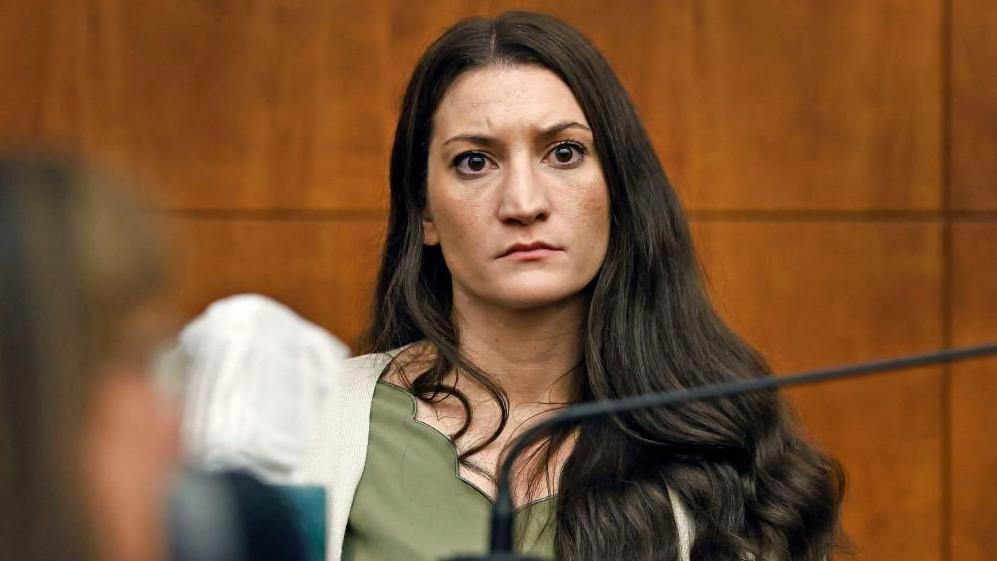
A month before Lindsay Clancy killed her three children, she confided to her mother and ex‑husband that she was thinking of harming them. Clancy’s mother, Paula Musgrove, testified that Lindsay insisted she was “not like this before” and that the remarks showed a huge shift in her mental state.
Clancy is pleading not guilty, arguing she suffered from postpartum psychosis after the birth of her third child. Symptoms described by doctors included hallucinations, delusions, and a loss of awareness of the wrongfulness of her actions. The prosecution claims she deliberately killed her 5‑year‑old daughter Cora, 3‑year‑old son Dawson, and 8‑month‑old infant Callan.
Postpartum psychosis is a rare but severe condition that can blend manic‑depressive episodes with psychotic symptoms. Researchers say it can lead to violence toward children in 1–4% of cases. The diagnosis is also missing from the Diagnostic and Statistical Manual of Mental Disorders (DSM‑5), which hampers training, research, and insurance coverage.
Experts explain the condition can appear abruptly, often triggered by hormonal changes and post‑birth stress. It is sharply distinctive from the more common postpartum blues, with hallucinations, delusions, and a disconnect from reality.
Treatment options include lithium, antipsychotic medication and electro‑convulsive therapy. Full recovery is possible when properly managed, but the risk of child harm remains if the illness is untreated.
The Clancy case has ignited a conversation about how society handles postpartum mental illness and the urgent need for immediate support for new moms.