In brief
In a landmark court ruling, Duane "Keffe D" Davis was found guilty of orchestrating the drive‑by shooting that killed Tupac Shakur in 1996. The verdict follows evidence that Davis, a former South Side Crips leader, was inside the vehicle that fired the fatal shots. Fans and relatives gathered outside Las Vegas court to celebrate the closure of a long‑standing mystery, while prosecutors highlighted Davis’s own admission in a 2008 interview. Despite a defense that painted his statements as bravado, jurors delivered a unanimous find‑guilty verdict. This conviction marks the first resolution of the case that has fueled hip‑hop lore and speculation for nearly thirty years.
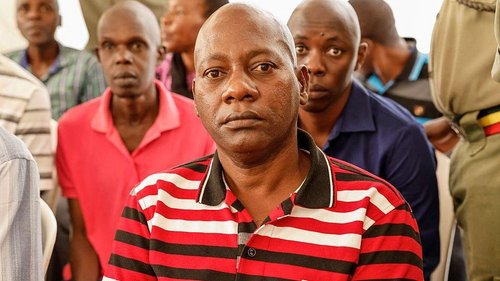
A former gang boss, Duane "Keffe D" Davis, stood in a Las Vegas courtroom on September 4th, 2026, as jurors read the verdict that would end a three‑decade‑old mystery. The judge declared the 63‑year‑old guilty of one count of murder with a deadly weapon for the 1996 drive‑by shooting that killed rap icon Tupac Shakur.
Prosecutors argued that Davis, though he didn’t fire the gun, ordered the attack and supplied the weapon used by his nephew Orlando Anderson. A 2008 police interview, later revealed, shows Davis admitting he was in the white Cadillac from which the shots were fired.
Defense counsel spun Davis’s statements as bravado aimed at boosting book sales, claiming there was no concrete proof of intent. But jurors, after hearing the testimony and evidence of the conspiracy, handed a unanimous guilty verdict within hours.
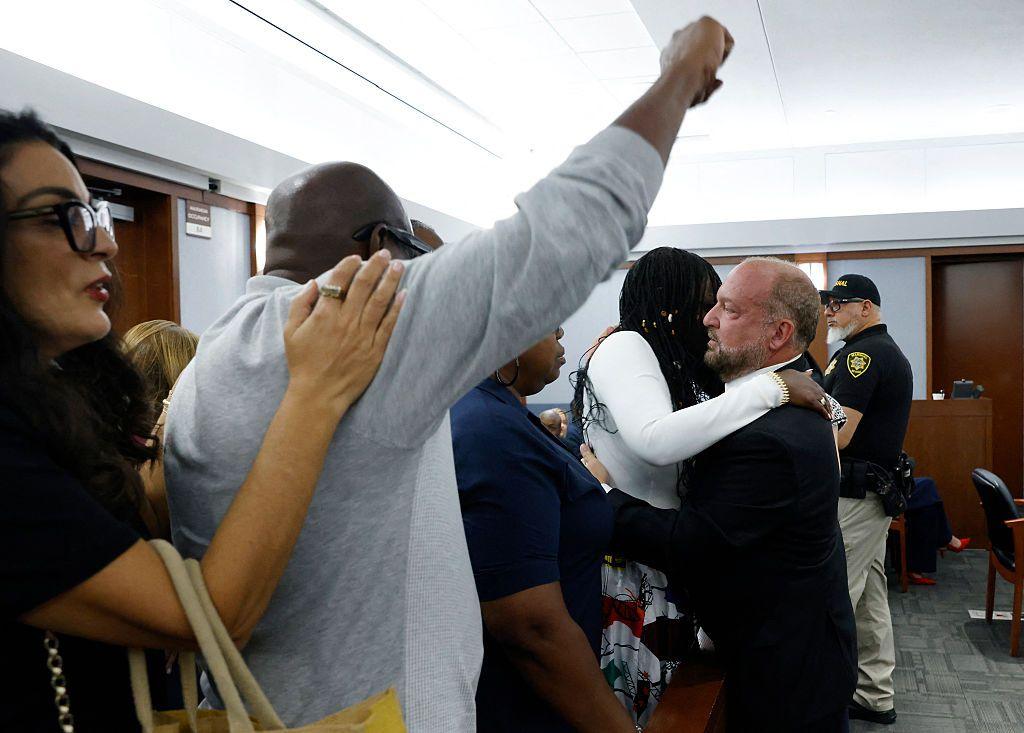
Outside the court, fans, friends and family of the late rapper gathered to celebrate. Emotions ran high as relatives embraced, cried, and cheered, marking a long‑awaited victory in the hip‑hop community.
The conviction is especially significant as it untangles a saga that intertwined rivalries between the East Coast and West Coast rap scenes and the infamous Bloods‑Crips feud. With Shakur’s legacy behind the cloud of unsolved murder, the case finally closes a chapter in music history that has been fertile ground for conspiracy theories.