In brief
On Jeju, a holiday paradise, authorities discovered four deaths linked to the latest missing‑person scandal. A police sergeant, Bu, is alleged to have closed cases early, prompting President Lee to order sweeping reforms. Nearly 300 investigations handled by Bu are now under scrutiny as the nation questions the police’s power and professionalism.
When four bodies were found on Jeju Island last week, the news hit hard in South Korea. The island, famous for palm trees and crystal waters, had been a cozy getaway for millions. Yet out of the calm came a dark line of reports: missing people cases were botched, and a sergeant named Bu was accused of closing investigations without proof.
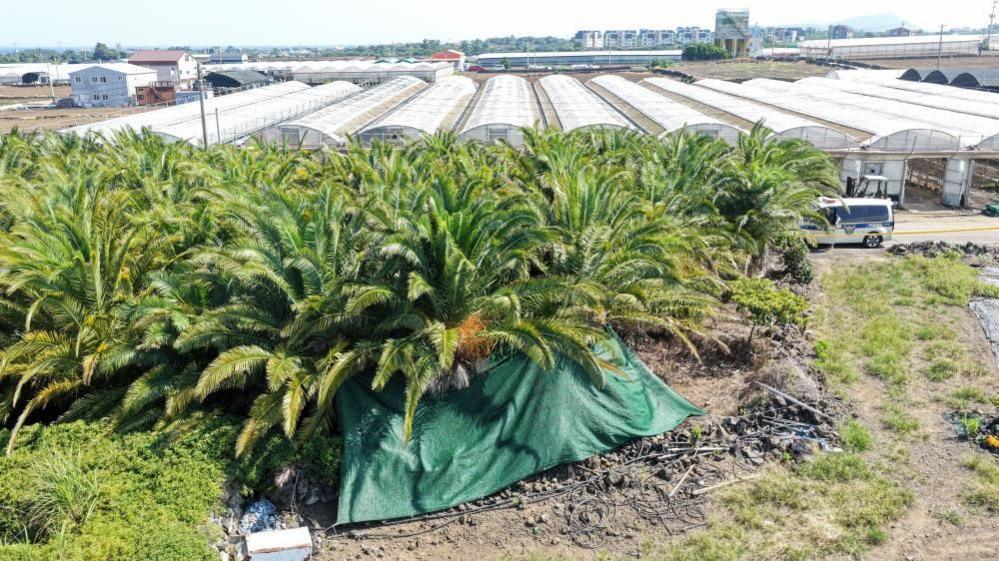
One victim, 37‑year‑old Jang Mi‑ran, vanished in May. A palm‑tree farm close to her home turned into a grave site before police could hunt for her. For the man from Jeju City who disappeared at the end of June, families received the wrong message from Bu — he said the man was safe, but after 51 days his body was found.
That’s just one part of the puzzle. Roughly 300 missing‑person cases were in Bu’s hands, and new investigations are pulling up more evidence of early closures and misinformation.
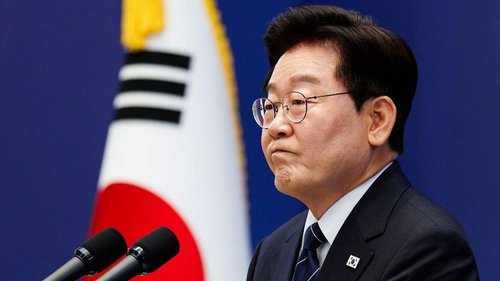
President Lee Jae‑Myung took a hard look at the police. At a Cabinet meeting he said discipline had broken down, and he ordered a broad reform. The national chief of police was grilled by lawmakers and admitted there is a fault in the system. The move comes after a recent policy shift that gave police more investigative power – a change that many Koreans still dislike because of past corruption.
Why does this matter? South Korea has one of the world’s highest suicide rates, yet crime is rare. That low crime rate can mask serious gaps in how missing‑person cases are handled. Police may assume most vanishings are quick finds, which could explain why some cases slip through the cracks.
The Jeju tragedy has sparked a national debate: can the police, who wield huge authority, be trusted? And how will reforms change the way missing persons are investigated?