In brief
In north‑west Nigeria, a 55‑year‑old woman shares how a midnight raid left her husband dead and her village turned into a refugee camp. Bandits—often on motorcycles—hit villages, schools and even cities, kidnapping people for ransom. Thousands have fled; vigilante groups have sprung up, but they risk creating more violence. The state’s military build‑up faces stretched resources amid rising attacks. Young readers see how ordinary people cope with terror and hope for peace.
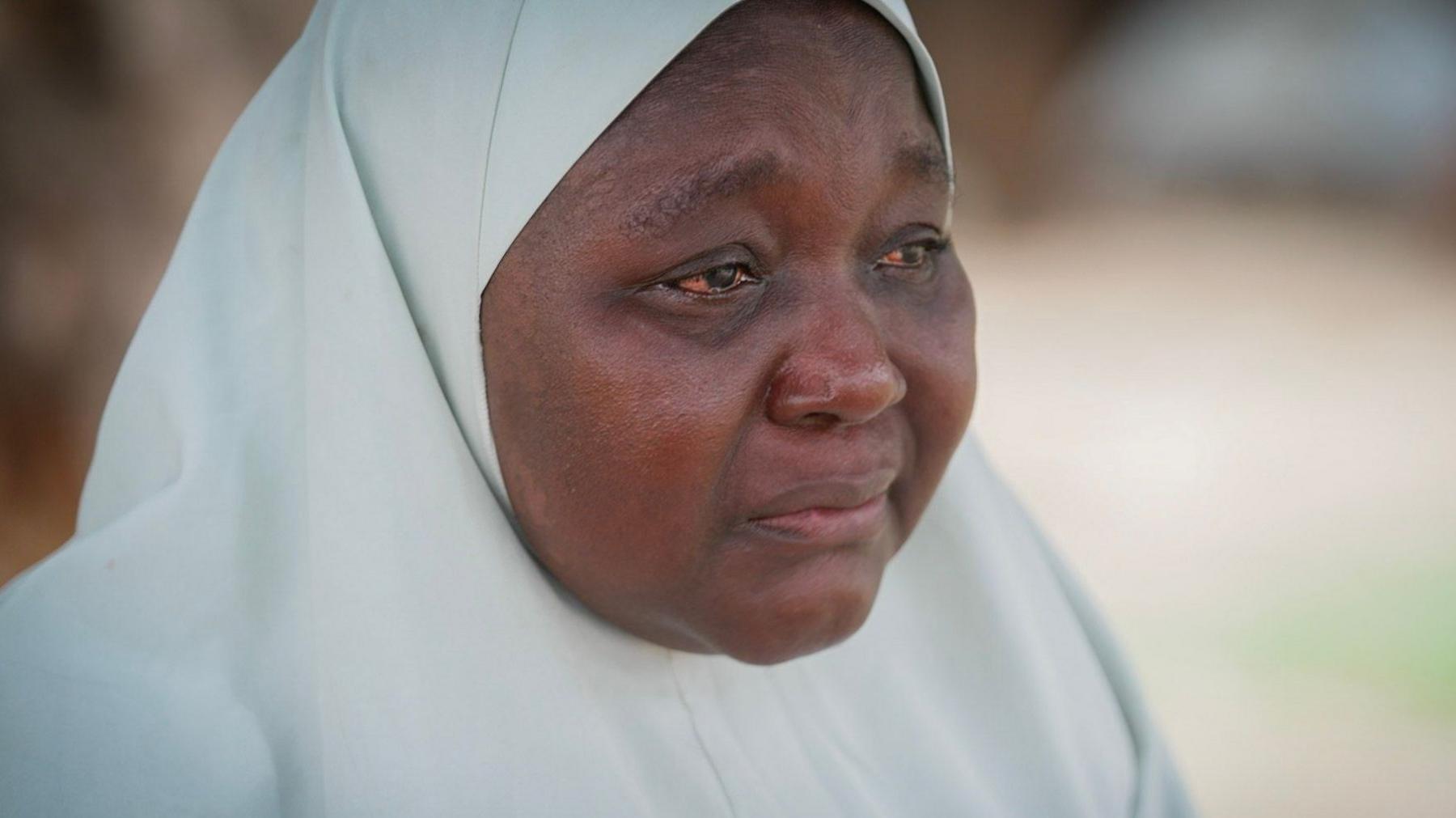
Raid at 2 am. Fatima, a 55‑year‑old from Zamfara, tells us her village was surrounded by gangs on motorcycles. They split into three groups, firing wildly at people from the village entrance, centre and back.
"If you ran into a room, they set the room on fire," she says, describing how the attackers set a house ablaze before shooting anyone who tried to leave.
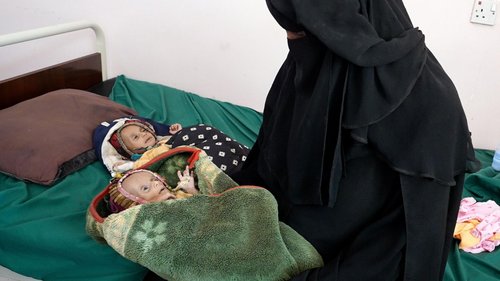
About 70 villagers, including children, were killed the previous June in a similar attack. Fatima’s husband and six of his siblings were among the dead. Since then, her family fled to a makeshift camp in Gusau, where food is scarce and the atmosphere is tense.
Over 800,000 Nigerians have been displaced in the north‑west, mainly by violence. The gangs—often referred to locally as bandits—use motorcycles to strike quickly and escape before security forces can respond. Their attacks now spread southward.
In response, some communities turn to government‑backed vigilante groups. While these groups sometimes kill bandits, they risk creating more violence and leaving communities unsure how to disarm them once the crisis ends.
Fatima hopes the government will bring more security forces to the region. She longs to return to her village, but the bandits have turned it into a militia camp, making everyday life dangerous.
For young readers, this story highlights the human cost of armed violence and the complexity of seeking safety in conflict zones.