In brief
A team at the Sudha Gopalakrishnan Brain Centre (SGBC) has produced Anchor, the first three‑dimensional map of the human brainstem at cellular resolution. By stitching together more than 500 tissue sections from foetal, childhood and adult brains, the atlas connects whole‑brain MRI data with microscopic detail, enabling researchers to zoom from global structures down to individual neurons. This digital map, free to access online, aims to bridge the gap between clinical imaging and pathology, potentially aiding the study of Alzheimer’s, Parkinson’s, stroke, and even COVID‑19–related brain damage. The project exemplifies how engineering and computation are reshaping neuroscience, providing a tool that could transform diagnostics, research and neurosurgical precision.
Scientists at IIT Madras’ Sudha Gopalakrishnan Brain Centre (SGBC) have created Anchor, the world’s most detailed 3‑D map of the human brainstem at cellular resolution, linking MRI scans of the whole brain to individual nerve cells for the first time.
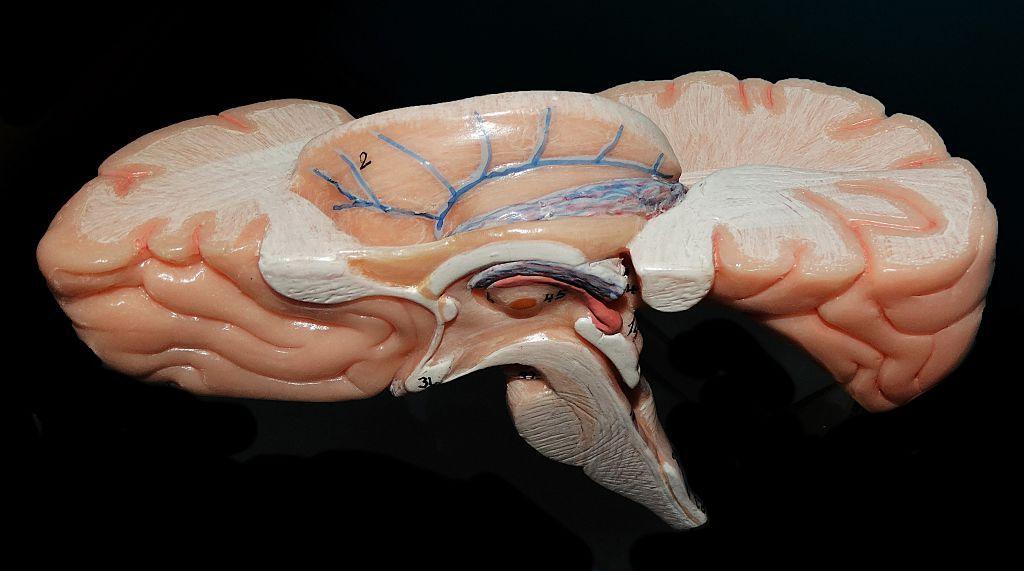
From more than 500 thin slices of foetal, childhood and adult brains, the team stitched together high‑resolution microscopic images to identify over 200 clusters of brain cells and nerve pathways. Eight chemical markers differentiate cell types, making the atlas one of the clearest pictures yet of this vital region that controls breathing, heartbeat, sleep and basic movements.
Unlike traditional post‑mortem studies that examine only a handful of tissue pieces, Anchor lets researchers zoom from the entire brainstem down to single neurons while preserving their precise spatial relationships. This integration of MRI and pathology could transform research on Alzheimer’s, Parkinson’s, stroke, and even sudden infant death syndrome (SIDS).
“It’s like having a GPS that navigates from the whole room to individual pixels,” said Shubha Tole of TIFR, describing the atlas as an unprecedented integration of engineering, neuroscience and medicine.
While Anchor is not a diagnostic tool, its detailed maps could locate subtle changes in disease states, help neurosurgeons navigate the delicate brainstem more safely, and offer new insights into how infections like Covid‑19 cause long‑term neurological damage.
The approach is affordable because it relies on high‑resolution microscope images rather than costly molecular techniques, allowing the SGBC to scale up—planning to image over 100 whole brains across age and disease for a global reference library.
As neuroscience increasingly depends on computational power, projects like Anchor illustrate how a detailed brain map can open new questions and solutions for neurological disorders.