In brief
As deadlines approach for new US tariffs, garment workers in Asia, particularly Cambodia and Sri Lanka, fear losing their jobs. Relying heavily on US exports, these countries face significant economic challenges, exacerbated by a lack of effective negotiation outcomes.
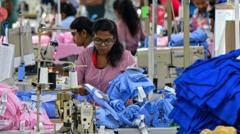
In the heart of Asia, garment workers are facing a looming crisis as new tariffs from the US threaten to put their jobs at risk. With a deadline fast approaching, millions in Cambodia and Sri Lanka are watching anxiously as negotiations unfold.On July 9, the US president announced new tariffs, with rates for Cambodia set at 36% and for Sri Lanka at 30%, which prompted fears among workers, especially considering their meager earnings. Nao Soklin, a Cambodian factory worker, expressed her concerns about job loss and the dire implications for her family, who rely on her income to survive.Cambodia’s garment sector, contributing over $3 billion in US exports last year, employs more than 900,000 people, while Sri Lanka's industry, which directly supports 350,000 jobs, generated $1.9 billion in exports. Both nations are urgently seeking negotiation concessions to avoid harsh tariffs that could cripple their economies.Sri Lanka has experienced some prior reductions, while Cambodia hopes to secure a similar deal. However, the tariffs put even more pressure on workers who already face low wages and limited rights in a challenging labor market. Women, who dominate these roles, may suffer the most from these cuts, further complicating the economic landscape.Analysts argue the tariffs ignore the positive impacts of trade agreements that have helped developing nations. In contrast, workers like An Sopheak fear for their futures, openly praying for tariff reductions. As tensions rise, the challenge remains for both countries to balance their economic needs while navigating complex international relationships in a shifting trade climate.