In brief
Soldiers in Guinea‑Bissau set up a referendum that let the president pick and fire the prime minister, shrink parliament, and even dissolve it. 70% of voters said yes, but the main opposition boycotted the test, saying it would turn the head of state into a king. The military’s move follows an 11‑month political crisis that began last November. The country will hold parliamentary and presidential elections in December, and the new rules will shape how government works when civilian rule finally returns. Critics worry the changes will tilt power too heavily into the hands of the president and risk repeating past coups.
Guinea‑Bissau’s New Constitution: Power in One President’s Hands
A new constitution that lets the president pick and fire the prime minister, reshuffle ministries, and even dissolve the parliament has just won a referendum in Guinea‑Bissau. The law was pushed by the military junta that seized power in November after a disputed presidential election.
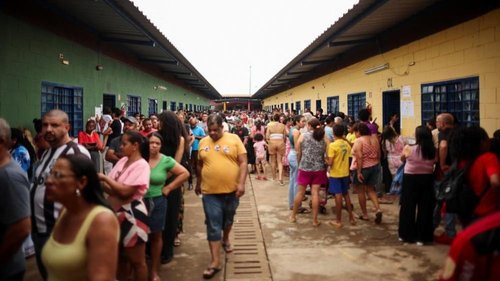
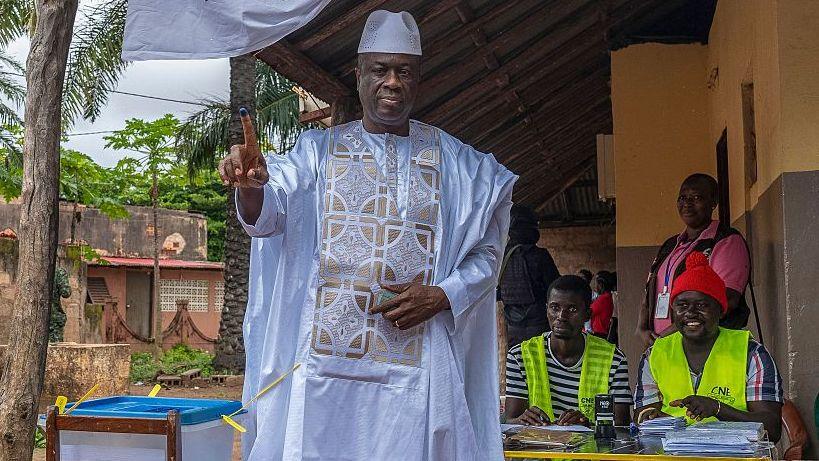
The vote was held in an environment where the main opposition party (PAIGC) refused to take part, arguing that the process was unsafe and would weaken democracy. Still, the provisional results show 70% of those who voted accepted the changes and 60% of the electorate turned in a ballot.
Under the new constitution, the president can appoint the prime minister, create or abolish ministries, and call Parliament to order. Parliament would be cut from 102 to 65 seats and the number of electoral districts back to 12. A five‑year term and a two‑term limit for the president will stay in place.
The military says the changes stop the constant clashes between presidents and prime ministers that have destabilised the country. Critics, however, fear this is a step toward a “presidential tyrant” – the junta’s biggest aim, according to regional analysts, is to keep the president’s power unchecked.
Guinea‑Bissau, one of the world’s poorest nations, has endured at least nine coups since gaining independence from Portugal in 1974. Its uninhabited islands have also made it a haven for drug traffickers, earning the UN the label of a “narco‑state”.
The postponed elections in December will test whether the military can peacefully hand power back to civilians and whether the revamped constitution sticks. The new rules could reshape Guinea‑Bissau’s fragile democracy for years to come.
For more in‑depth stories on Guinea‑Bissau and Africa, visit BBCAfrica.com.