In brief
Burkina Faso’s military‑led government has just opened the country’s first gold refinery, aiming to keep more of its mining profits within the nation. The facility, named Raffinor‑BF, can process 164 tonnes a year and may expand to 515 tonnes, turning raw gold into finished bullion on local soil. The move is part of a broader nationalist agenda to curb the informal mining sector, stop the illicit export of gold, and reduce economic dependence on foreign companies. While the refinery could boost jobs and revenue, critics warn it also gives the junta deeper control over a critical industry amid ongoing security challenges.
Gold, Power & the New Face of Burkina Faso
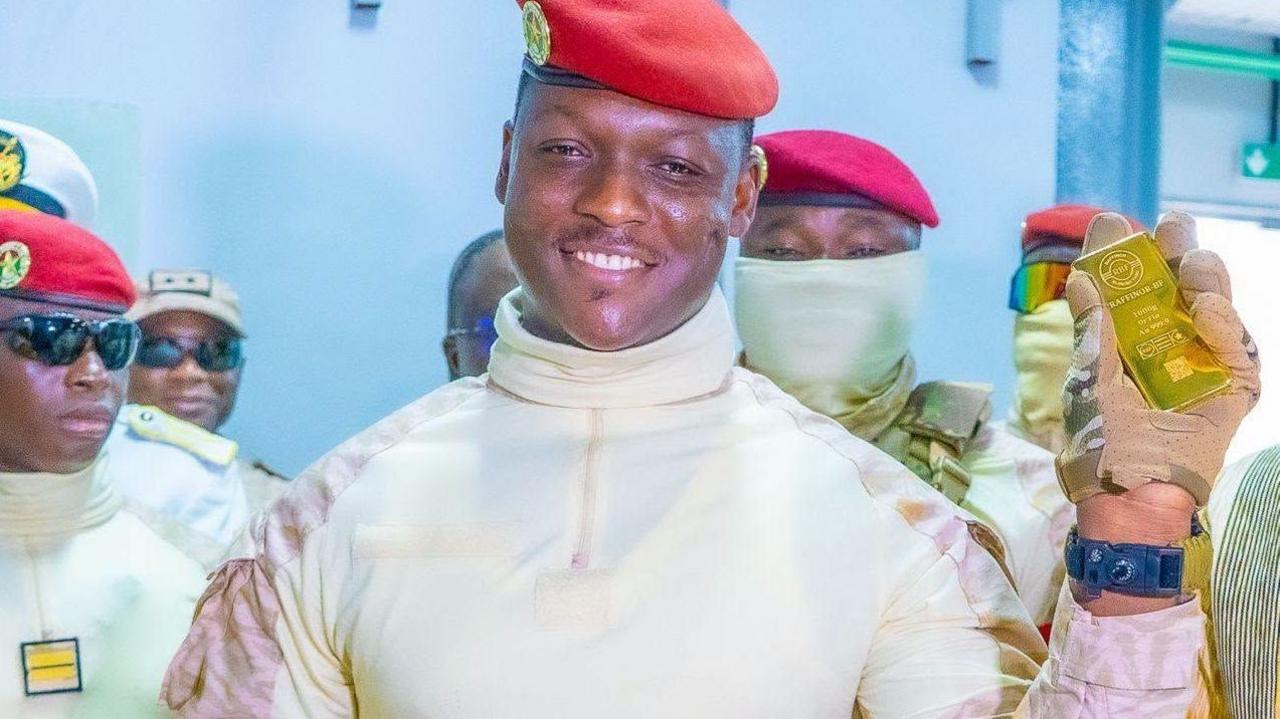
Burkina Faso has just opened its first gold refinery, meaning it can now turn raw gold into finished bullion right in its own backyard. The move, unveiled by junta leader Ibrahim Traoré, is a big step in keeping the country’s wealth from flying overseas.
Why it matters: The refinery, called Raffinor‑BF, can currently refine 164 tonnes a year but could ramp up to 515 tonnes. That’s enough to handle all the gold the state mines plus the heavily‑informal artisanal mining sector.
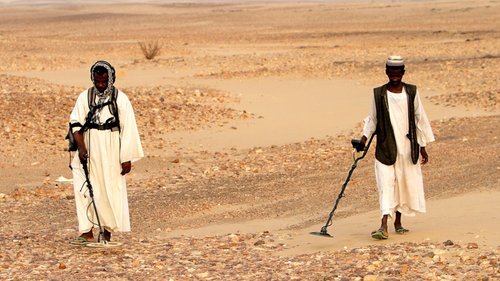
The government says the new plant will stop the rampant smuggling that feeds local insurgents and make the country’s gold more valuable for the people, not foreign companies.
It also signals a nationalist economic strategy: the junta wants to keep major industries inside Burkina Faso’s borders and build jobs at home. By owning 15% of foreign mining concessions and training locals, the state is stepping up its hand in the industry.
Other West African nations, like Ghana, Guinea, and Mali, are also building refineries, hinting that the region is turning gold into a strategic asset rather than just a commodity.