In brief
Fujisawa, a quiet town only an hour south of Tokyo, is in the middle of a whirlwind debate: plans for its first mosque have sparked protests, hate messages and hope for change. Long‑time resident Noriko Izumizawa worries how the new building might reshape her community, while café owner Hiroki Suzuka urges open‑mind conversations. Across Japan, Muslims face rising hostility and increasing numbers as the country struggles with aging demographics and a sudden need for foreign workers. The story highlights how Fujisawa’s locals and the national government are navigating identity, coexistence and the future of a country that is suddenly a lot more diverse.
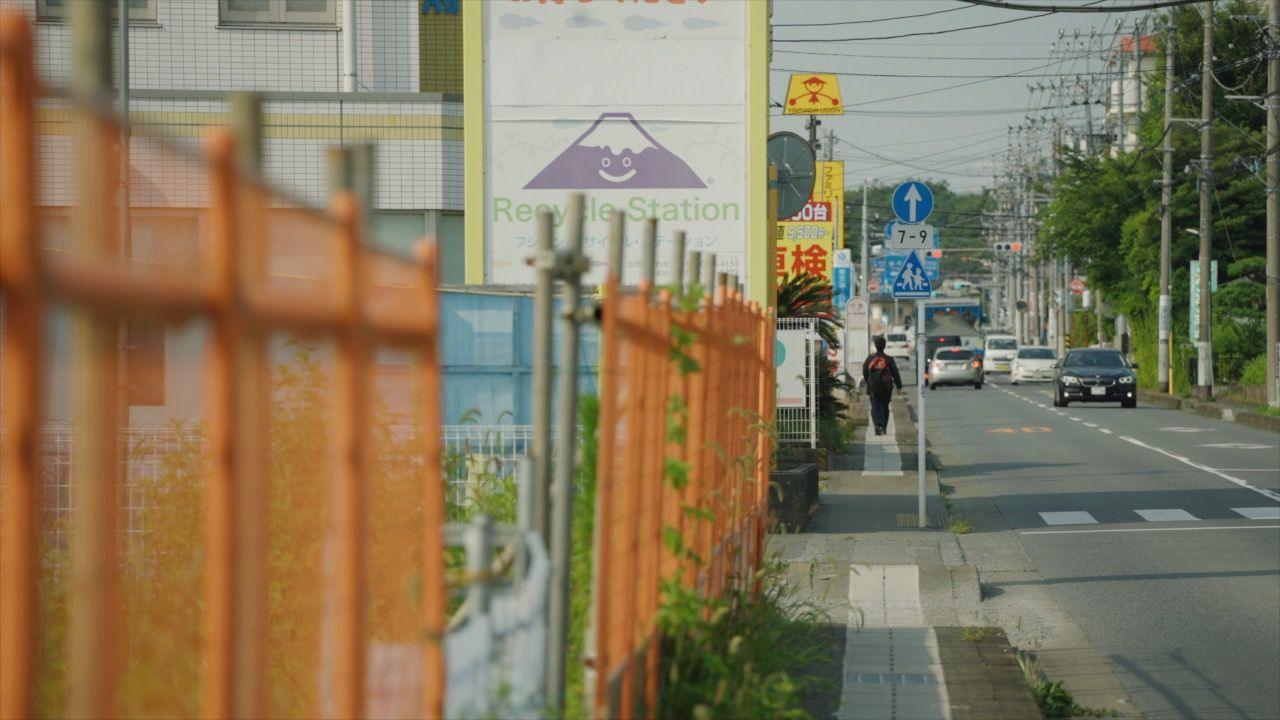
In a quiet seaside town near Tokyo, a new mosque is stirring the pot. Students, locals and even tourists walk past the site today— a lawn that will soon become a place where people gather to pray. But the change hasn’t been smooth.
“I’m worried about how the community will shift,” says long‑time resident Noriko Izumizawa. For some, the idea feels like a new alien land on their doorstep; for others, a chance to learn about a different culture.
In June, thousands marched at the town’s train station to protest the mosque’s height and design. Some activists even called it disrespectful to the nearby Shinto shrine. Social media, too, filled with hateful words and misinformation, leading to an anti‑hate protest and a call for peaceful dialogue.
Talks of the mosque highlight a bigger story. Japan’s population is shrinking, forcing the country to welcome foreign workers, many from East Asia. Between 2019 and 2024, the Muslim population in the country rose from 230,000 to 420,000, a huge jump that has brought new religions and traditions into towns like Fujisawa.
Businessman Mohamed Mohideen of Osaka, who moved from Sri Lanka in 1987, shares a similar experience: online hate, even fear of Muslim neighbourhoods, and an urgent need for mutual understanding. He believes that if Muslims “learn about each other and act kindly,” fears will fade.
The government’s stance remains cautious. A surge in visa fees and plans to add immigration workers show a desire to control how many foreign residents live in Japan. At the same time, citizens are left asking: can Japan stay true to its identity while becoming more inclusive?
In Fujisawa, Izumizawa says she’s never personally experienced hate. “I just fear the unknown,” she states. The debate around the mosque reminds everyone that growing isolation may come with growing opportunities—a lesson for young people shaping their future.