
In brief
In a bizarre twist of events, two French furniture experts created fake royal chairs, selling them as authentic antiques from the Palace of Versailles. After an extensive investigation, the intricacies of their scheme led to a scandal exposing negligence in the art market and prompting legal consequences for those involved.
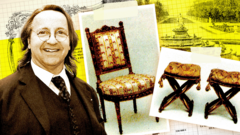
The furniture fraud who hoodwinked the Palace of VersaillesIn the early 2010s, two ornate chairs claimed to have graced the grounds of the majestic Palace of Versailles made waves in the French antiques market. Touted as the most expensive chairs crafted for Marie Antoinette, they bore the prestigious seal of Nicolas-Quinibert Foliot, a celebrated 18th-century cabinetmaker. In 2013, the French government declared these chairs "national treasures" at Versailles’ behest, but due to a hefty price tag, they were sold for a staggering €2 million to Qatari Prince Mohammed bin Hamad Al Thani instead.Over the years, numerous other pieces of 18th-century royal furniture appeared in the antiques scene, some of which were snapped up by Versailles for display. However, in 2016 a shocking national scandal emerged when it was revealed that many of these so-called treasures were actually forgeries. A lengthy nine-year investigation led to the trial of renowned antiques expert Georges "Bill" Pallot and award-winning cabinetmaker Bruno Desnoues, both of whom were charged with fraud and money laundering.The fraudulent scheme began as a 'joke' in 2007, where Pallot and Desnoues tried to replicate an armchair linked to Madame du Barry. Their success at convincing experts led them to continue making fakes, sourcing cheap materials and attaching forged stamps from 18th-century artisans. Their deception raked in approximately €3 million before authorities caught wind, leading to various court proceedings.Pallot and Desnoues both admitted their crimes in court. Meanwhile, gallery director Laurent Kraemer faced accusations of negligence for selling some of these forged pieces, which he vehemently denied, asserting he was a victim of the fraud. Prosecutor Pascal Rayer emphasized that the case highlighted a pressing need for stricter regulations in the art market.As the trial continues, attention is drawn to the intricate web of deceit that could undermine trust in cultural heritage institutions like Versailles, raising questions about how to better protect art and antiques from such heinous manipulations in the future.