After Venezuela, there is no nation in the Americas more affected by the events in Caracas than Cuba.
The two nations have shared a political vision of state-led socialism since a fresh-faced Venezuelan presidential candidate, Hugo Chávez, met the aged leader of the Cuban Revolution, Fidel Castro, on the tarmac at Havana airport in 1999.
Now, with Maduro's unexpected removal, the prospects for Cuba seem bleak. The Cuban government has denounced the US military operation that led to this change in Venezuela, declaring two days of national mourning for the Cuban nationals killed in the incident.
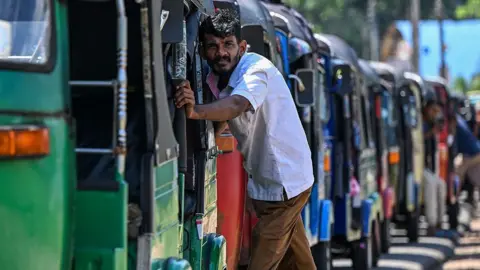
Cuba's reliance on Venezuelan oil has increased as Maduro's regime maintained a flow of resources to the island, but with his downfall, fears loom over future oil supplies. Ordinary Cubans are already grappling with an economic crisis characterized by rolling blackouts and food shortages.
The picture in Cuba is grim: weeks without reliable electricity, rising mosquito-borne diseases, and an overwhelmed healthcare system. The government remains defiant against external pressures but faces a critical juncture as the political climate in Venezuela shifts dramatically.