In brief
The recent order from Kashmir authorities requires every school, college and library to screen its books for content that might offend religious, legal or national sensibilities. Critics argue the move blanks out a region’s complex history and infringes on free‑speech guarantees. Supporters claim the directive seeks to keep extremist material out of classrooms and maintain peace. The ban follows earlier takedowns of titles linked to separatist leaders and highlights tensions between local identity and central control.
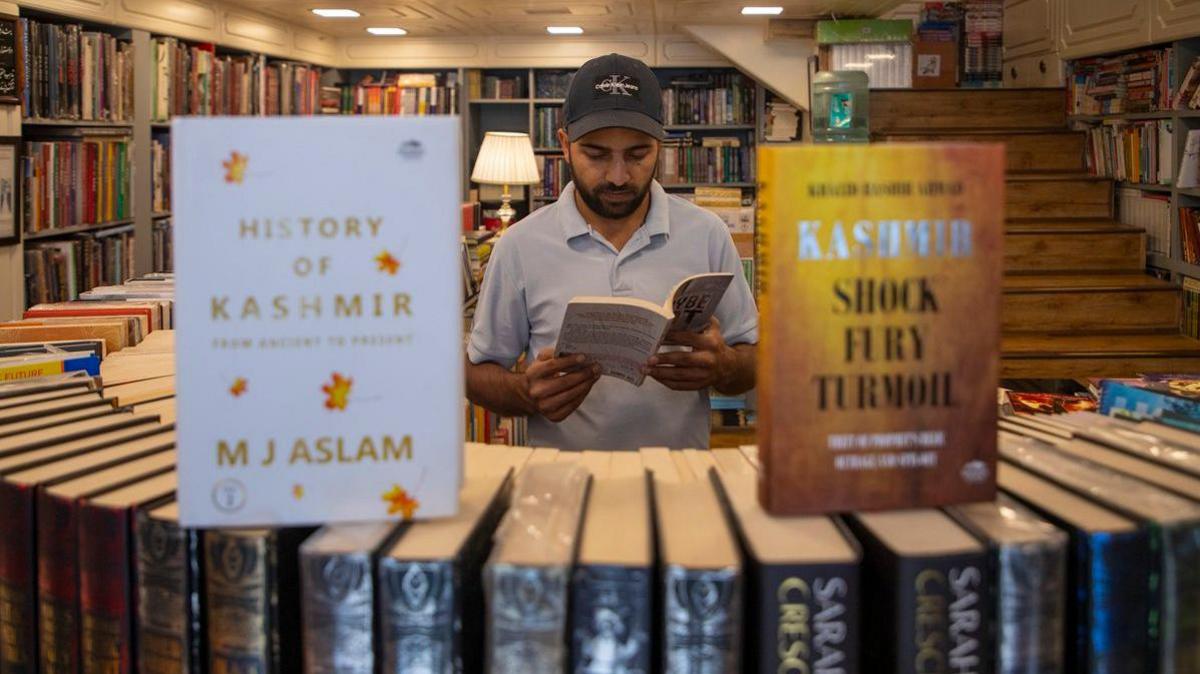
Indian‑administered Kashmir has mandated that every educational institution—schools, colleges, universities and coaching centres—scan its books and other written material for what it labels “inappropriate and objectionable” content. The directive includes research papers and theses and stipulates that any book violating religious sentiment, law, educational values or national security must be reported and removed.
While the authorities stress that the order is not an effort to curb reading, they argue it must bar material that "promotes terrorism, violent extremism, secessionism or radicalisation". Opposing voices, however, see the move as a violent attack on academic freedom and a tool to erase Kashmir’s turbulent past.
"Restrictions like this violate the right to freedom of speech guaranteed by India's constitution," said political scientist Noor Mohammad Baba.
The crackdown follows earlier incidents where two books on separatist leaders were pulled from school libraries, leading to arrests and disciplinary action against education officials. Last year, 25 other titles—including works by Arundhati Roy—were banned for allegedly spreading “false narratives” and secessionist ideas.
Critics, such as Apni Party leader Altaf Bukhari, warn that broad censorship could “deprive us of academic content”. The government maintains that its intent is simply to prevent controversial material from cluttering curricula, while BJP spokespeople insist the state cannot allow glorification of separatists under the guise of free expression.
With Kashmiri history heavily contested, the debate over who controls classroom narratives reaches a fever pitch. The court’s response to last year’s book bans remains undecided, leaving the region’s students and educators uncertain of what will ultimately be read in their halls of learning.