In brief
Lindsay Clancy’s defense team pushes the judge to investigate one juror’s mobile activity, hoping to sway a case rattled by a mistrial. The lawyer requests the court review the juror’s phone communications and test‑questionnaire honesty. The juror’s own attorney decries the motion as a rebuke of fair debate, while prosecutors stand by Clancy’s guilt narrative. This fresh legal push could reshape the trial’s outcome and raise questions about privacy and jury integrity.
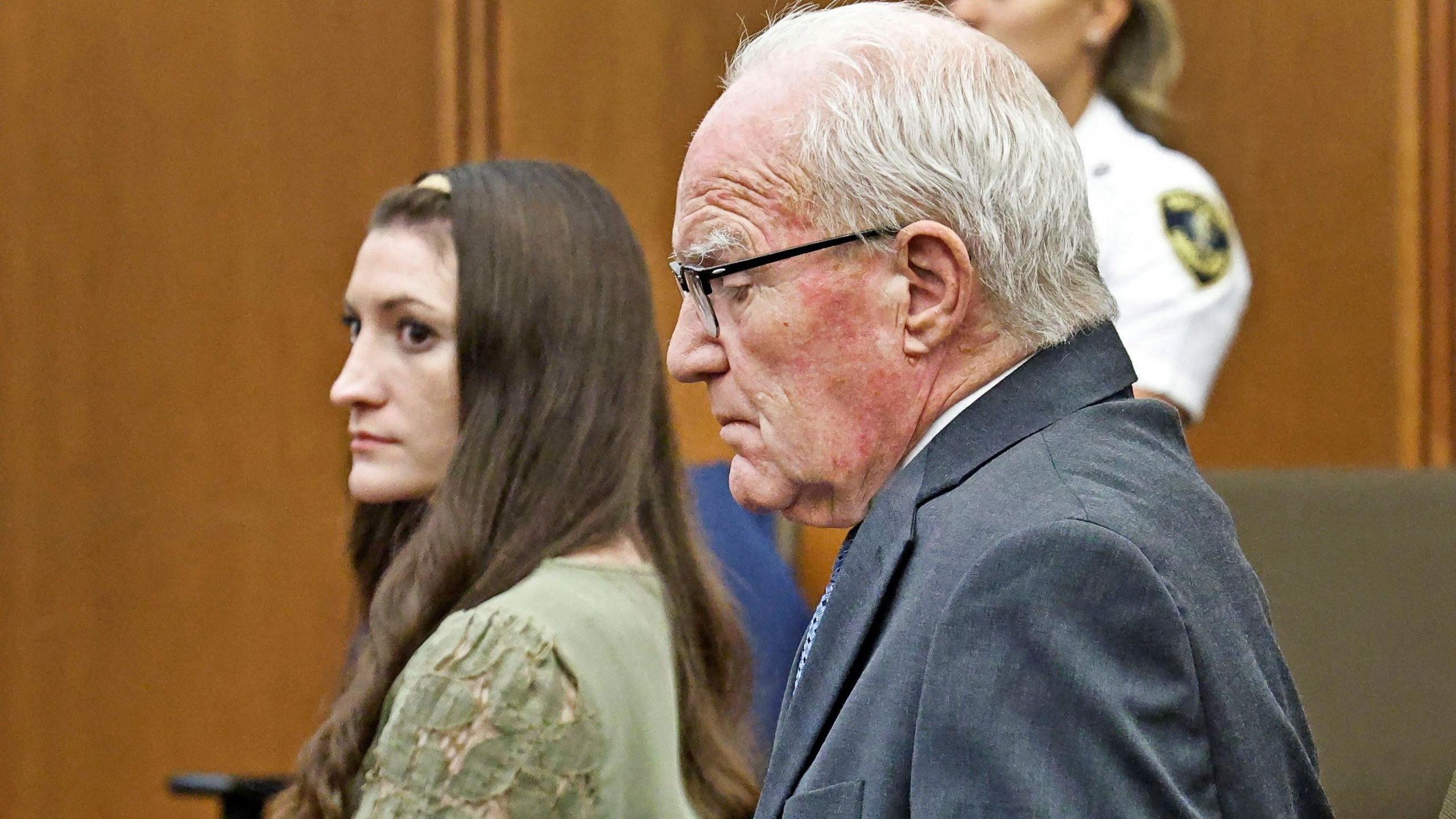
The defense’s latest move in the Lindsay Clancy murder case may change how a case with a mistrial plays out. Kevin Reddington, Clancy’s lawyer, asked the judge to look into one juror’s phone usage and the honesty of his answers during selection.
The motion covers the juror’s calls and texts from 08:00 to 16:30 on each day the jury deliberated. Reddington also wants the court to check the juror’s questionnaire responses for truthfulness.
The juror’s own attorney says the request attacks the juror’s civic duty and the Sixth Amendment right to a fair trial. He highlights the risk of reprisals for jurors who disagree with defense arguments.
Clancy’s case is already shrouded in controversy: prosecutors say she deliberately killed her children while claiming postpartum psychosis and a sanity defense. Her defense seeks a not‑guilty‑by‑reason‑of‑insanity verdict.
This fresh legal twist means the judge may need to weigh phone evidence against the legal standards for a verdict. Whether the court will grant the motion or pull back throws new uncertainty over the trial’s final outcome.